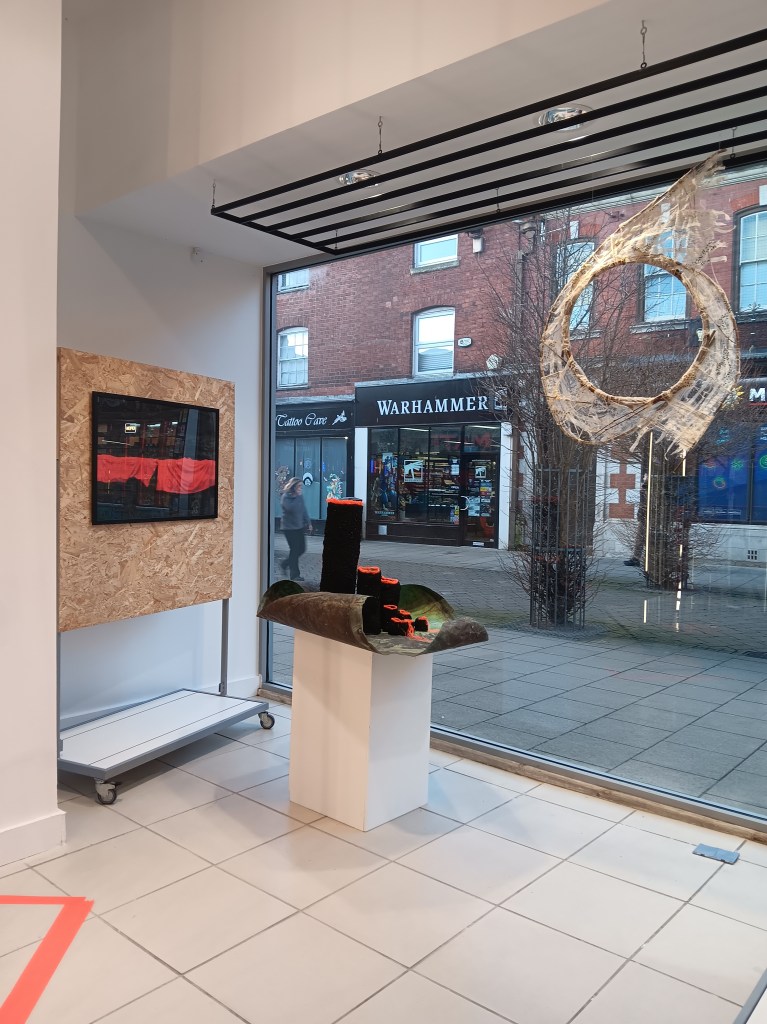
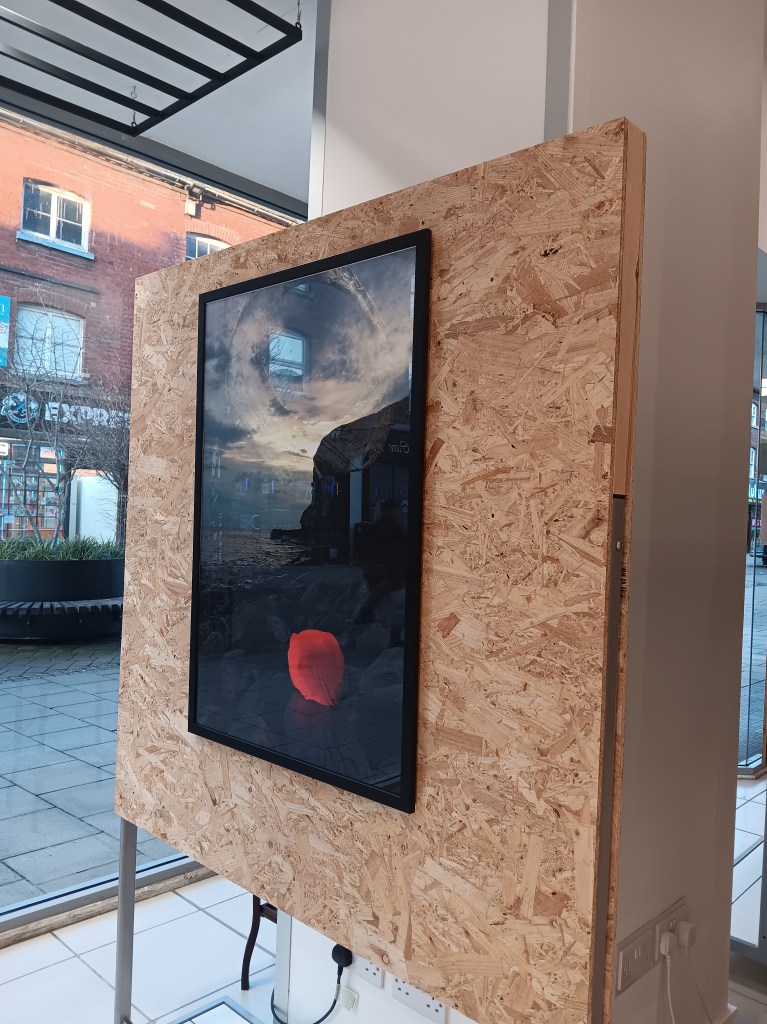
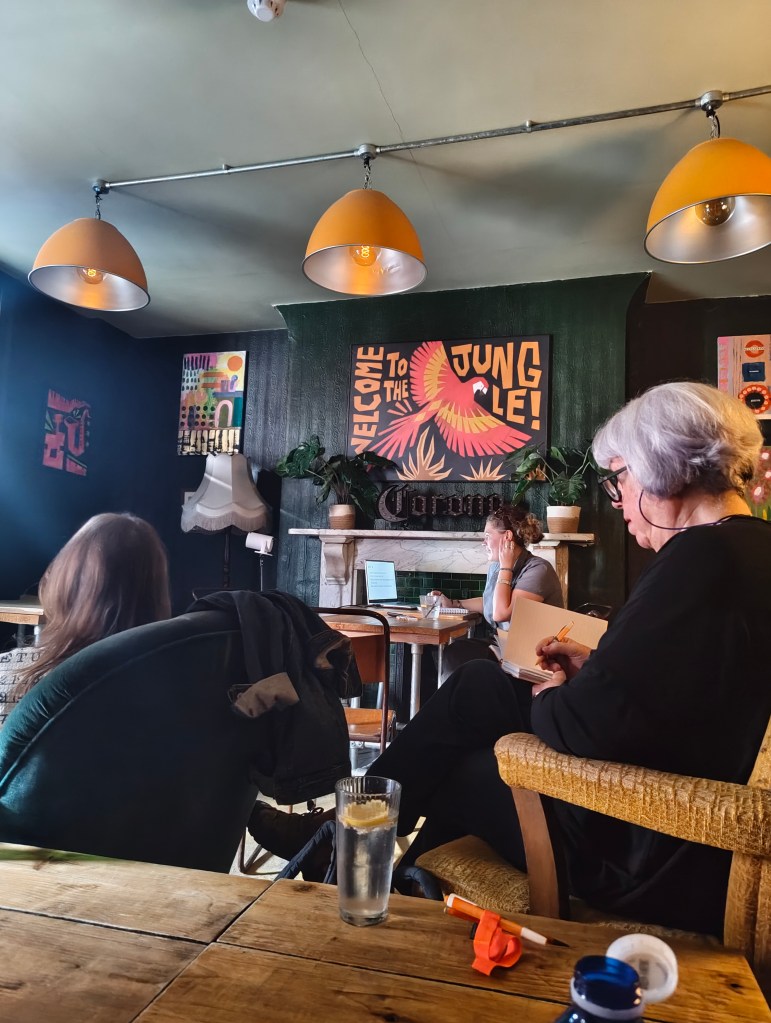
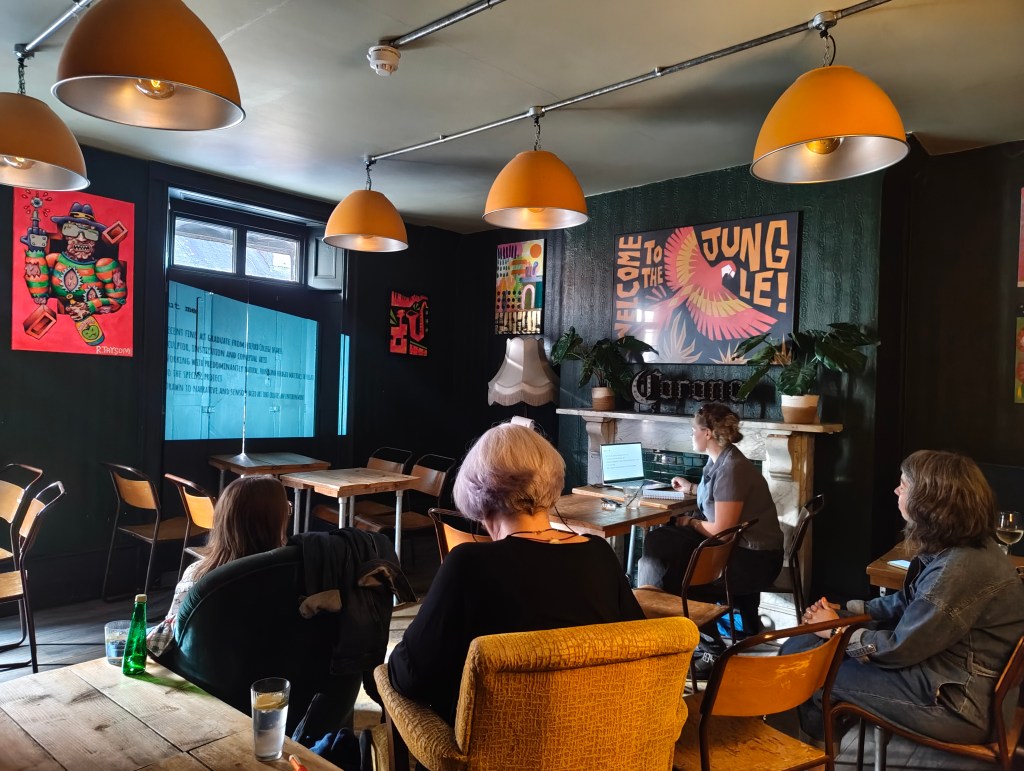
Artist Talk – Hazel Deane, The Jam Factory, Hereford, September 2026
Hazel Deane’s artist talk offered a thoughtful and intimate exploration of how belonging and place shape her sculptural practice. She spoke about the deep connections we form with certain locations and how these bonds become emotional and conceptual anchors within her work. For Hazel, materiality is not simply a practical concern but a form of visual discourse — a way for the artist and viewer to communicate through objects that carry personal symbolism tied to home, memory and lived experience. Working primarily with organic, fluid and found materials, she emphasised how these elements hold their own histories and emotional charge, becoming active participants in the narrative of each piece.
Throughout the talk, Hazel reflected on the physical act of sculpting as a means of understanding. Engaging directly with her chosen mediums allows her to respond to their visceral qualities, letting form emerge through touch, resistance and transformation. This process-driven approach reinforces her belief that we are palimpsests of our time — layered beings shaped by cycles of growth, decomposition and continual response to our environments. The audience responded strongly to this idea, prompting discussion around how materials can embody memory, how decay and change influence artistic decision-making, and how found objects can become vessels for personal and collective stories.
The session created a reflective atmosphere within the network, encouraging attendees to consider their own relationships with place, material and identity. Hazel’s clarity and openness invited a deeper conversation about the emotional labour of making and the ways in which landscape and lived experience shape creative practice. Overall, the talk was resonant and quietly powerful, leaving the group with a renewed sense of connection — both to Hazel’s work and to their own evolving artistic journeys.
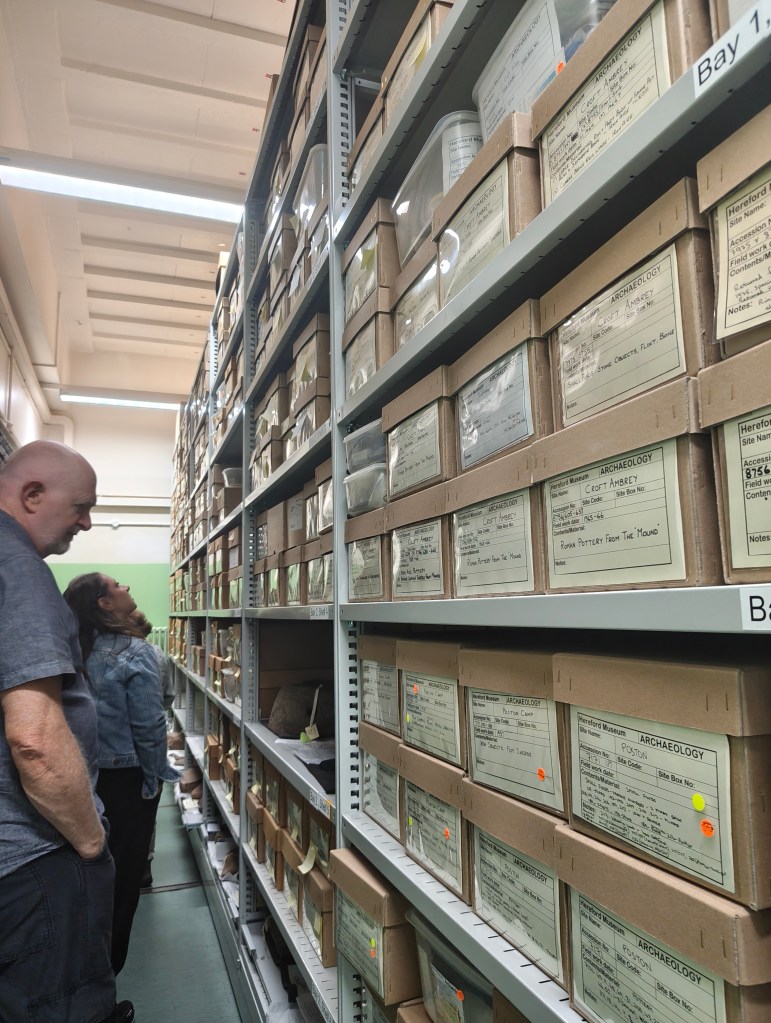
History Store Trip, Friars Street, Hereford, September 2026
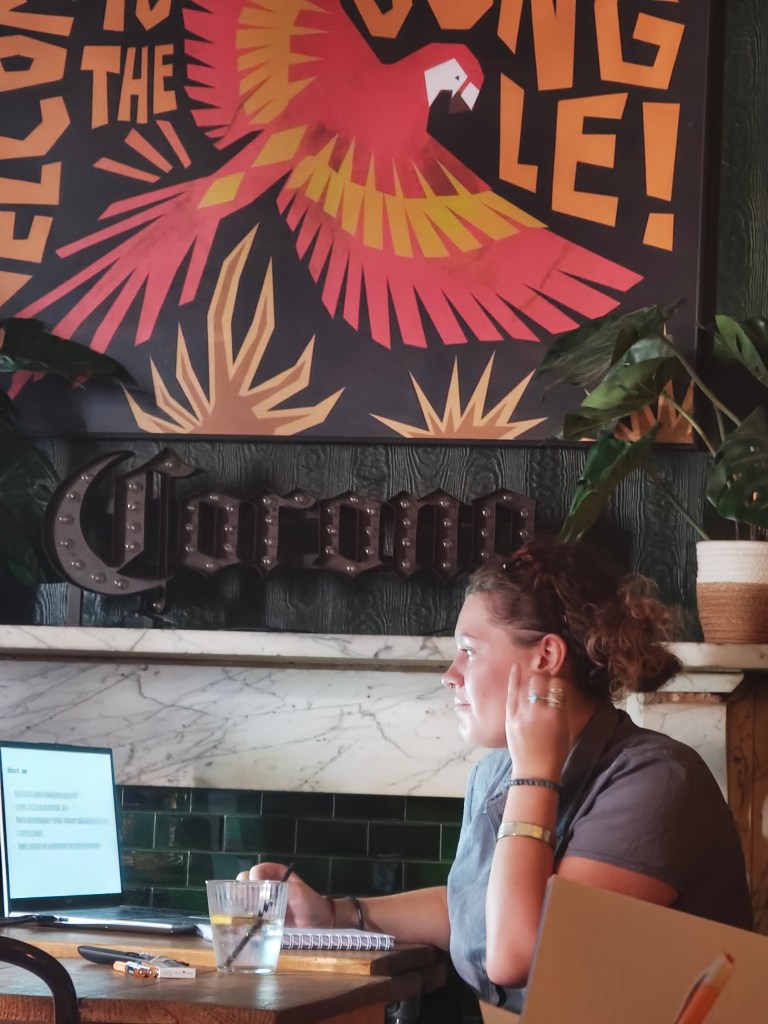
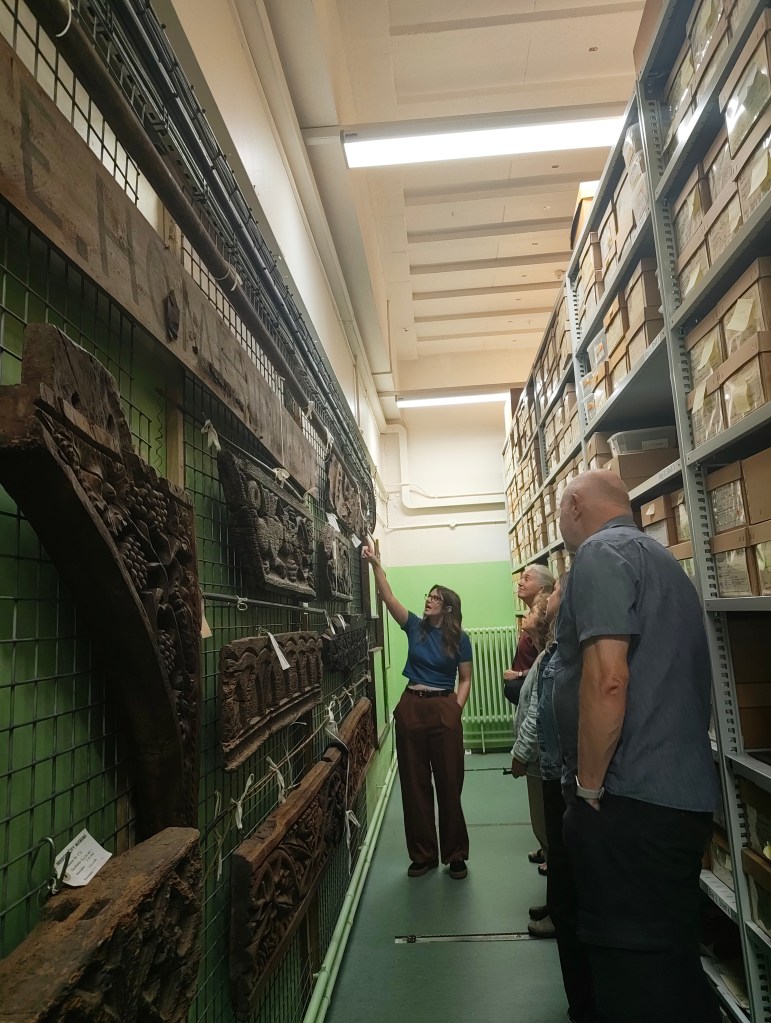
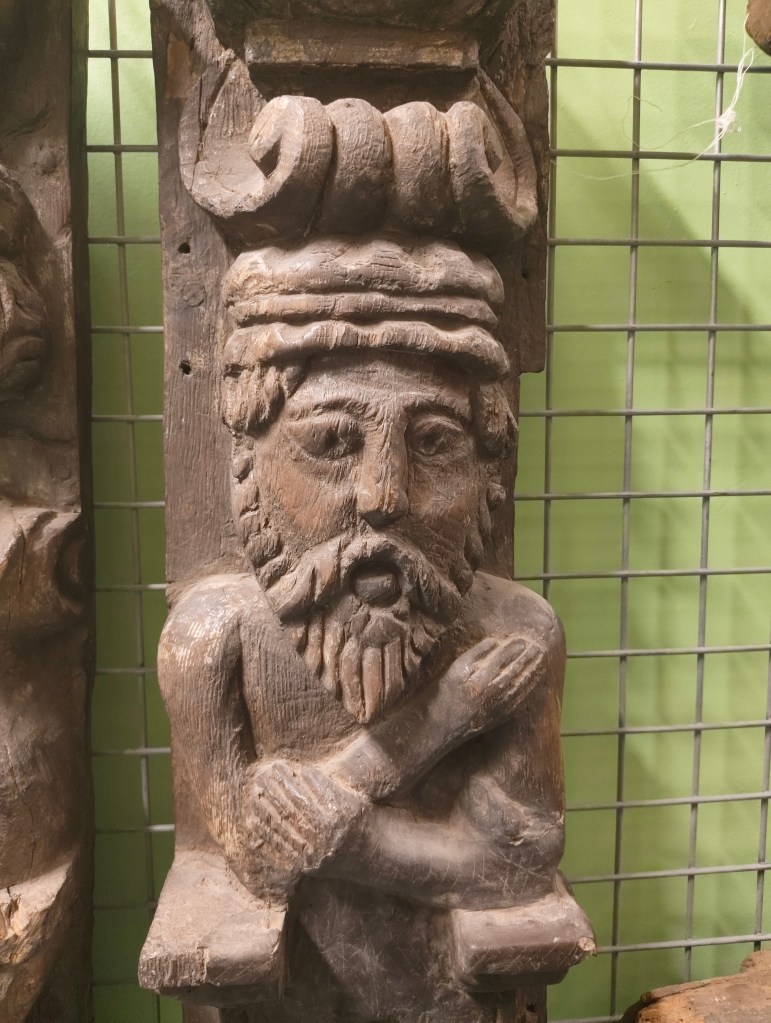
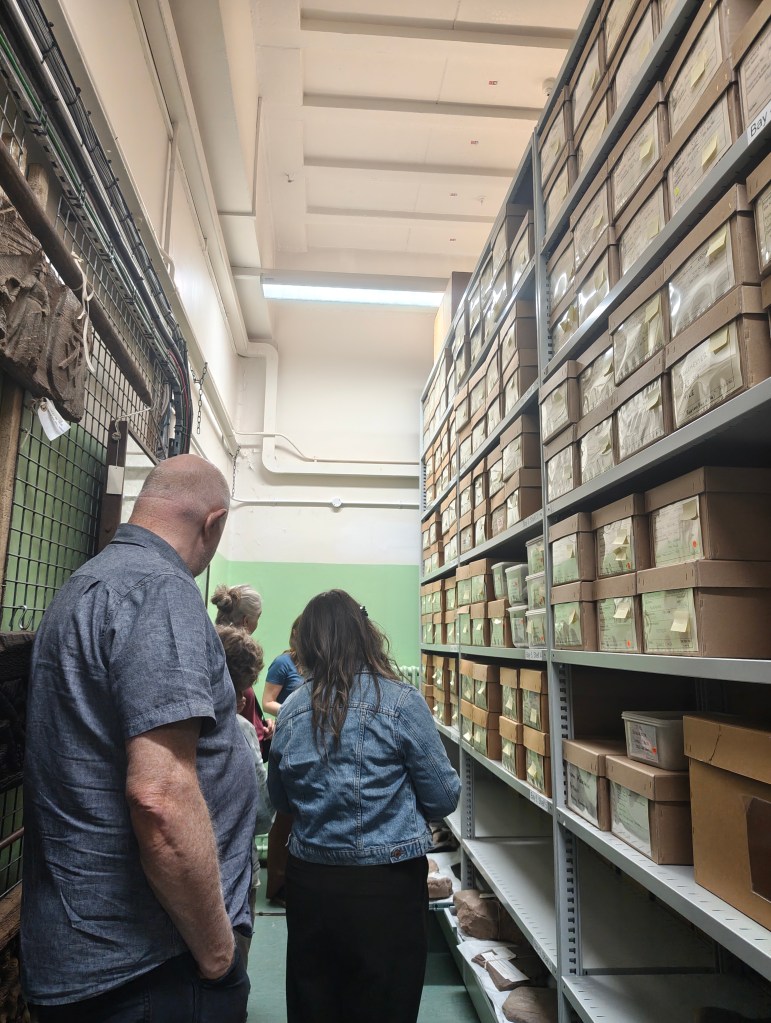
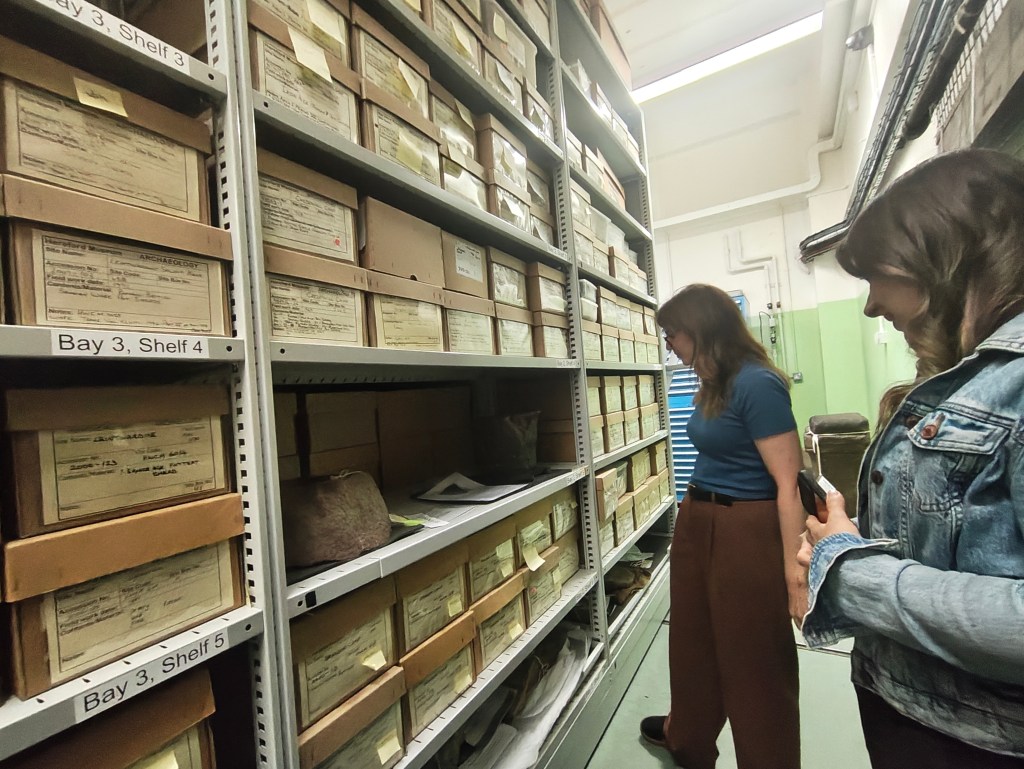
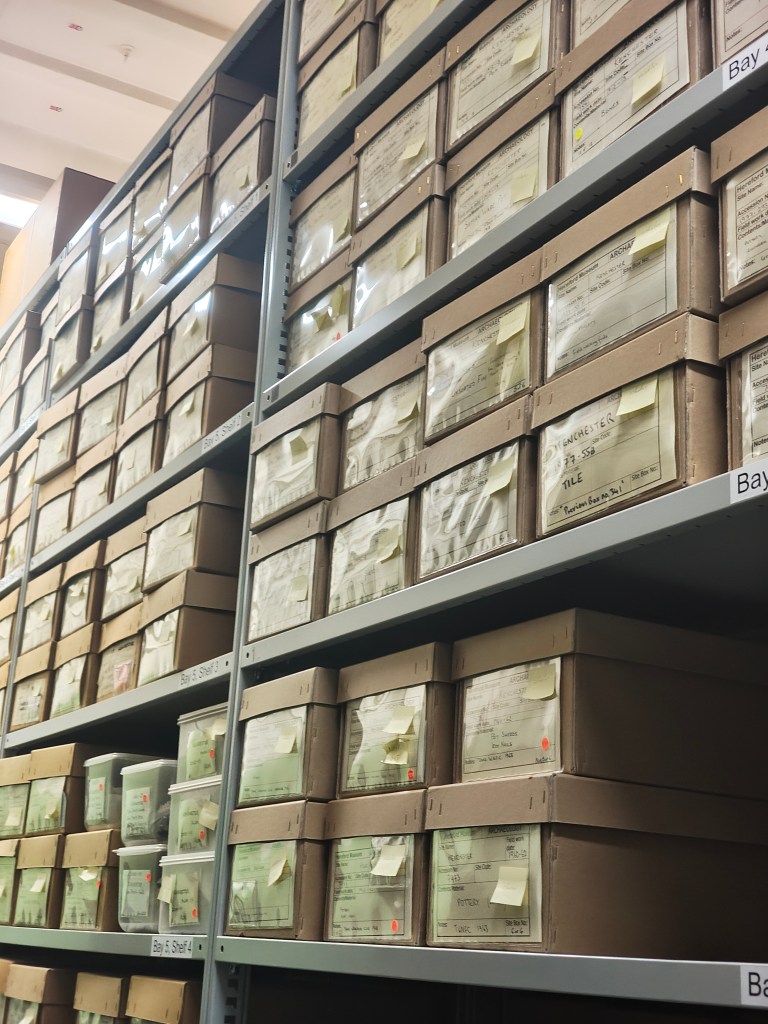
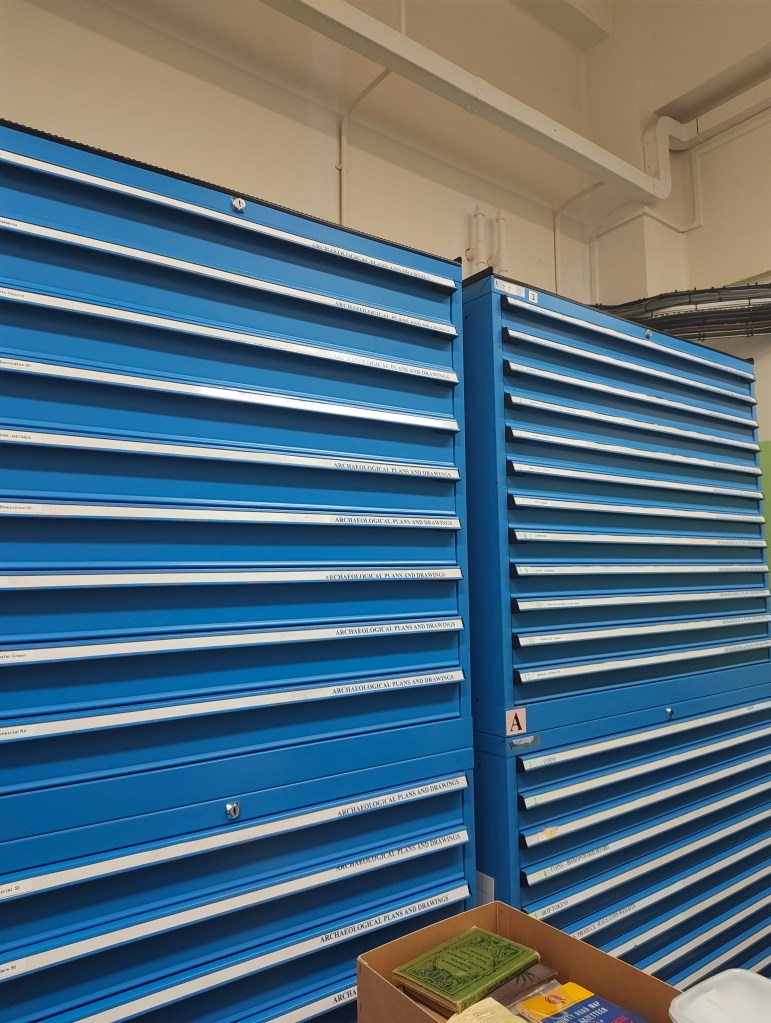
We visited the Hereford archives to explore the county’s archaeological history, looking at material ranging from early medieval settlement evidence to significant prehistoric sites. Handling records, maps and excavation reports gave us a clearer picture of how Herefordshire’s landscape has been shaped over centuries — from the city’s ancient defences and medieval street layers to rural sites documented through field surveys, finds reports and historic mapping.
Seeing these layers of human activity preserved in documents and artefacts deepened our understanding of place, revealing how everyday life, land use and settlement patterns have shifted across time. The visit offered contemporary artists new ways to think about memory, landscape and the stories embedded within Herefordshire’s archaeological record.
History Trip, Munitions Factories, Hereford, August 2026
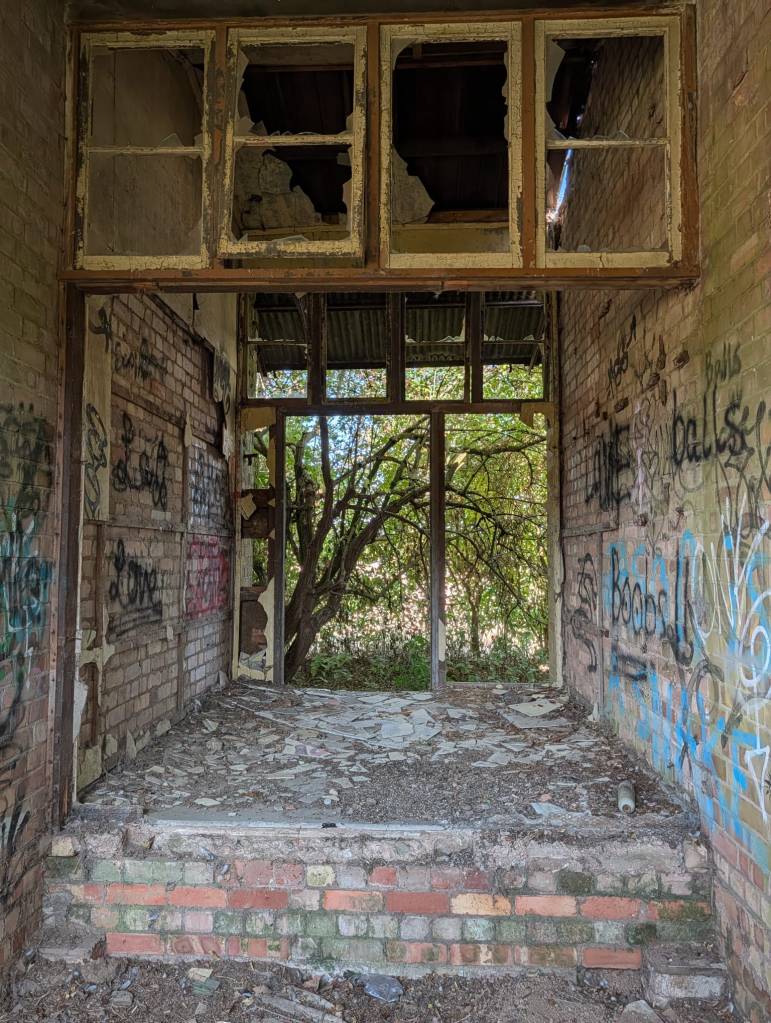
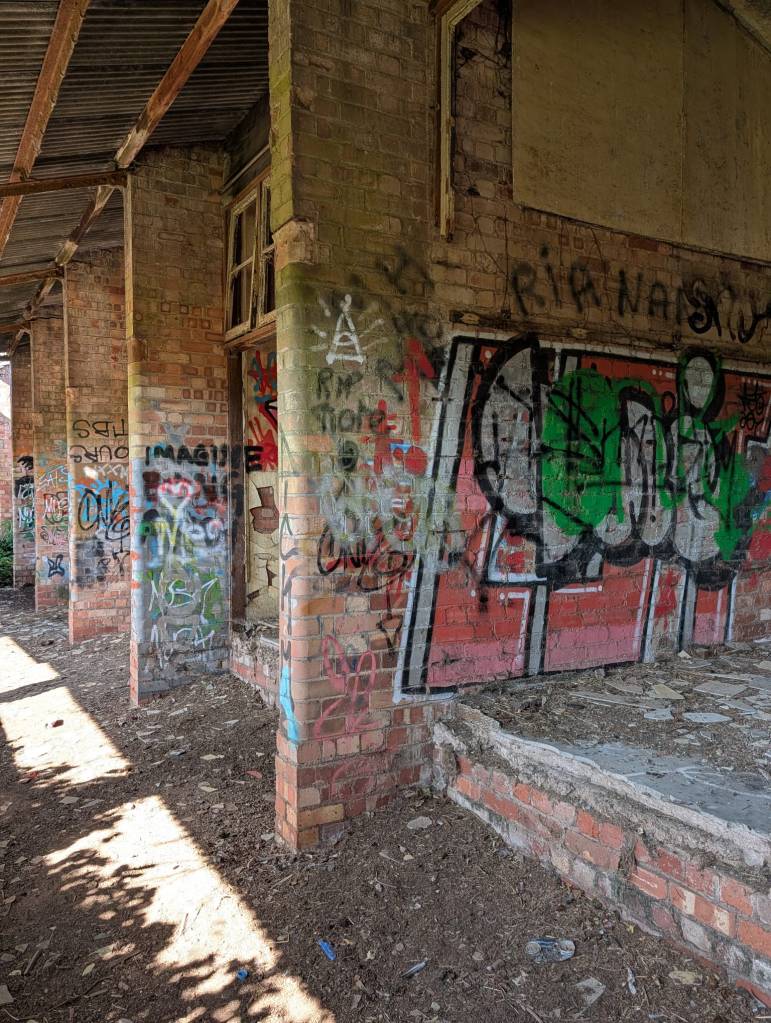
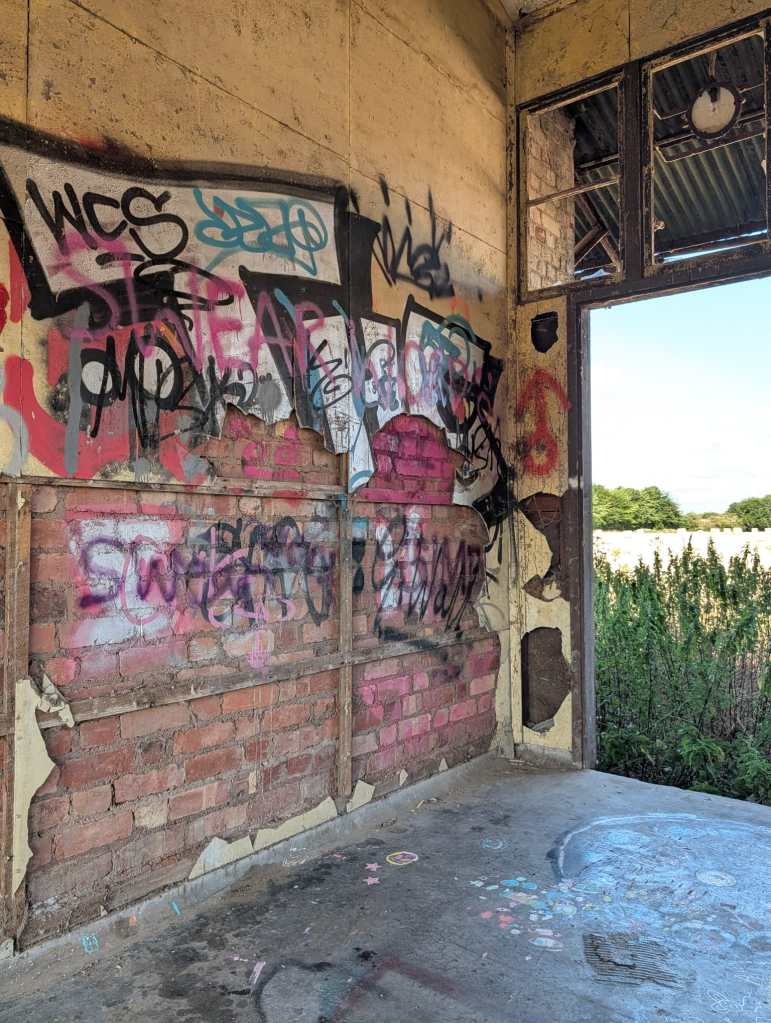
Photograph credits – Tottie Arvold. Exploring the munitions factories in Hereford, particularly the Rotherwas site, reveals a powerful and often overlooked chapter of local history. During both world wars, thousands of women—known as the Canary Girls because their skin turned yellow from handling toxic explosives—worked long, dangerous shifts filling shells and assembling ammunition. Their contribution was vital to the national war effort, yet their experiences were rarely acknowledged, and the physical and emotional toll of the work was immense. For Herefordshire today, this history is not just a heritage story but a lens through which contemporary artists can examine themes of hidden labour, gender, risk, and the way landscapes hold memory. Engaging with the legacy of the Canary Girls invites artists to consider how industrial histories shape identity, how communities remember trauma, and how creative practice can give voice to those whose stories were once buried.
Art Collection, Archive Trip, Hereford – July 2026
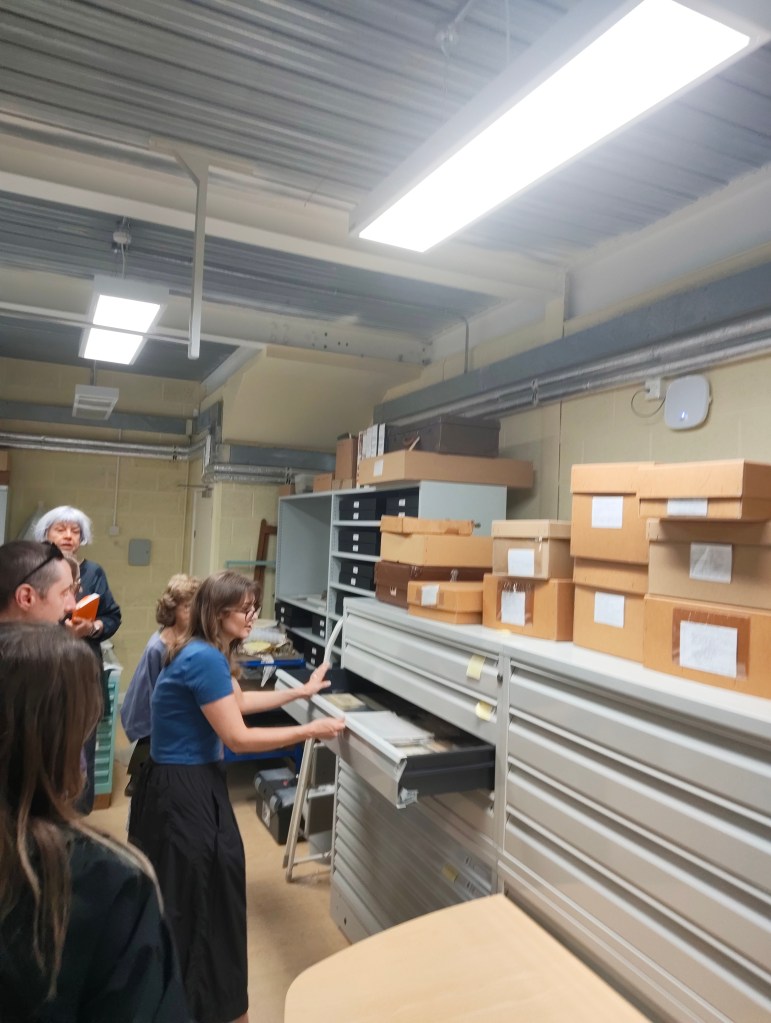
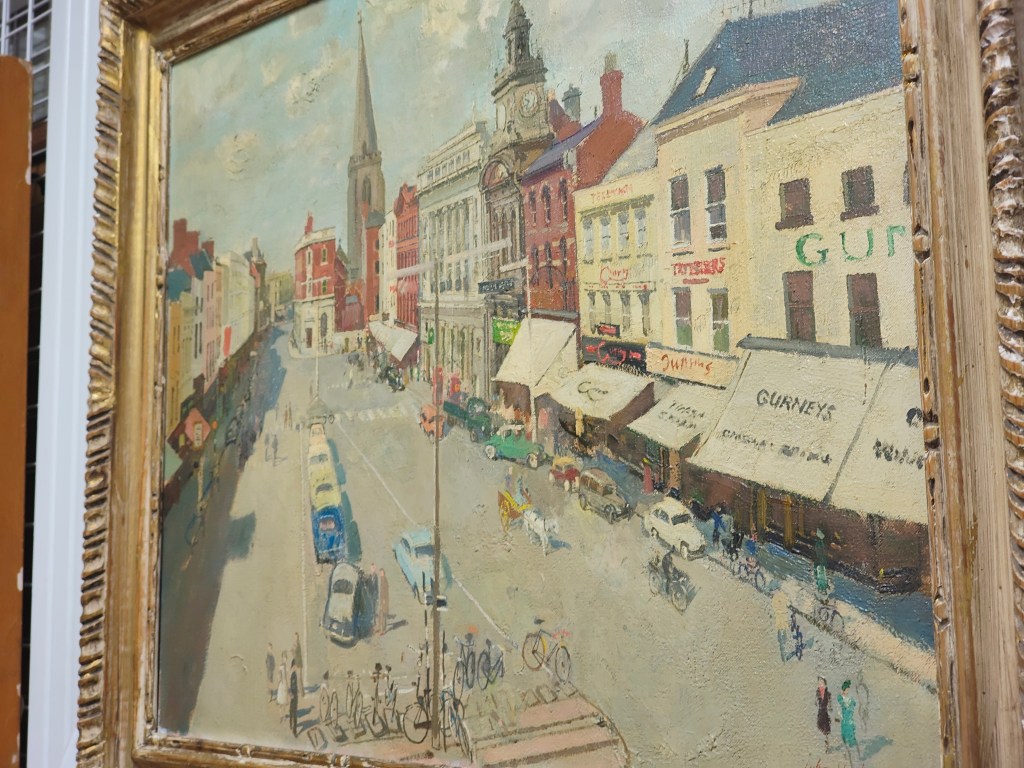
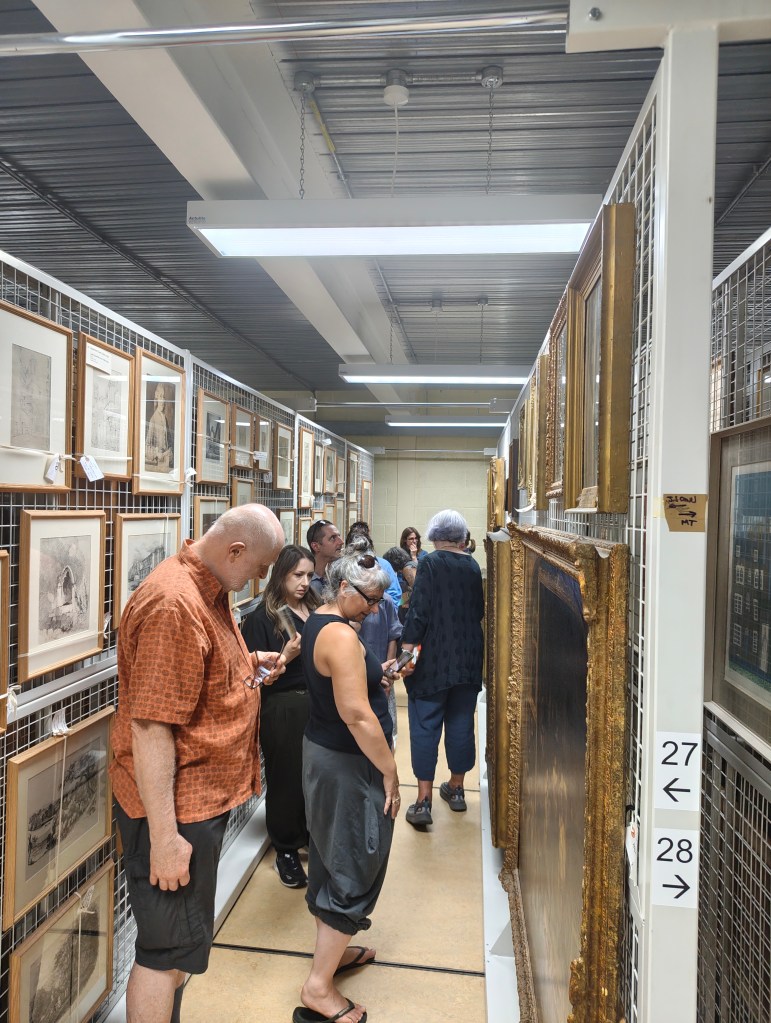
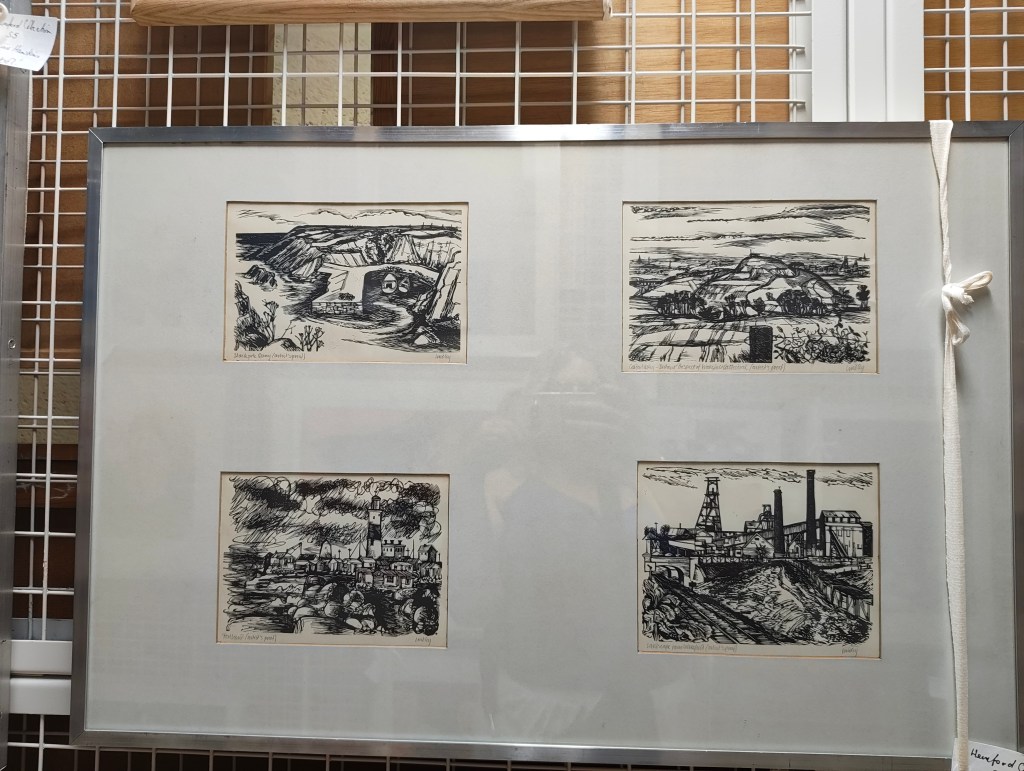
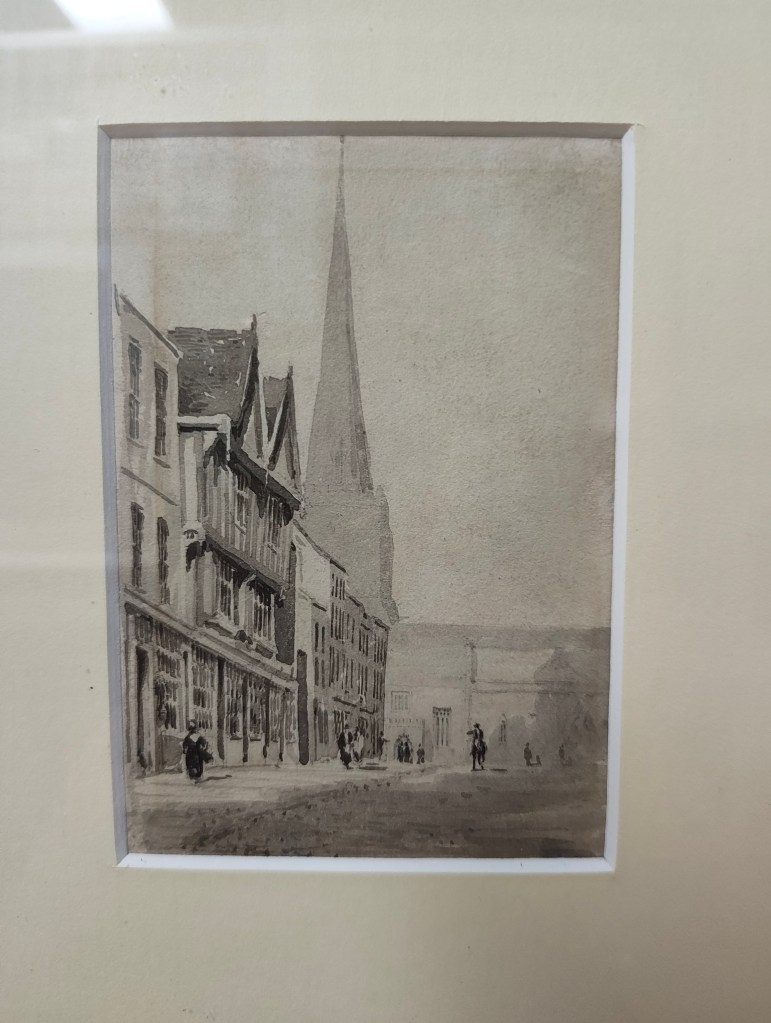
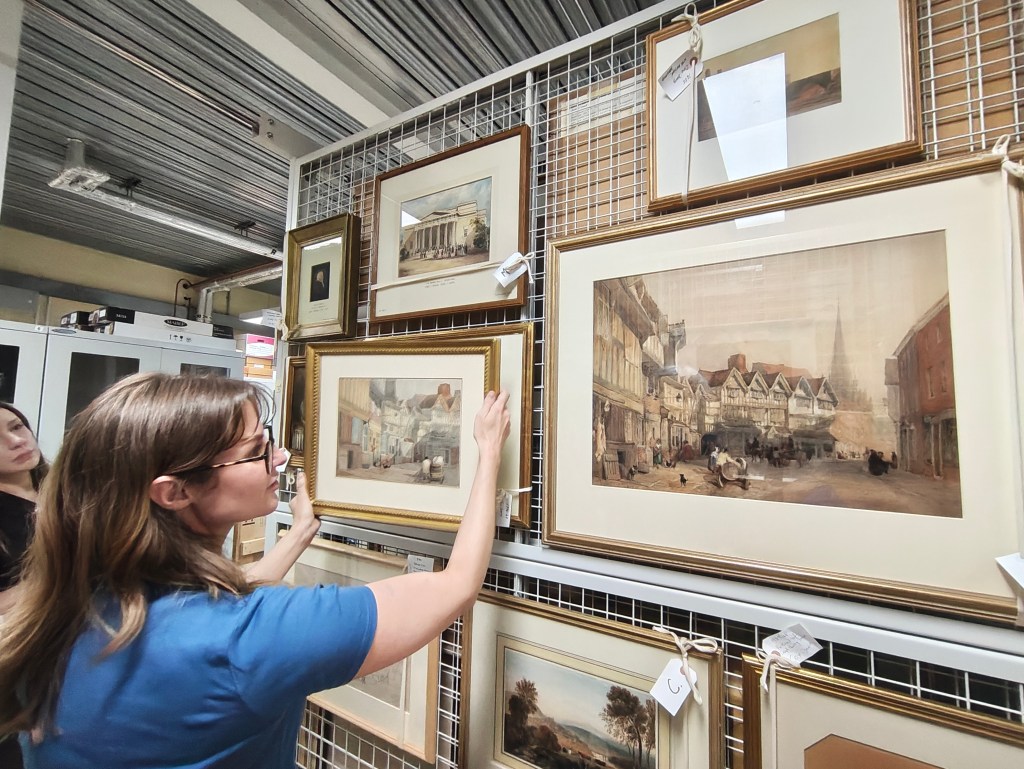
Our visit to the Hereford Archive Store offered an invaluable opportunity to explore the breadth of artistic practice that has shaped Herefordshire across different periods. Encountering paintings, drawings, maps and archival materials allowed us to trace how artists have responded to the county’s landscapes, communities and shifting identities over time. Seeing these works together revealed recurring themes of belonging, resilience and connection to place, as well as the emotional and psychological relationships people form with their surroundings.
This research will directly inform our upcoming exhibition, which explores the Herefordshire landscape through the lenses of mental health, nature and the River Wye. By engaging with historical artworks alongside contemporary perspectives, the project aims to highlight how creativity can help us understand personal wellbeing, environmental change and our evolving relationship with the land. The archive visit deepened our appreciation of the region’s artistic heritage and provided a foundation for developing new work that reflects both continuity and change within Herefordshire’s cultural landscape.
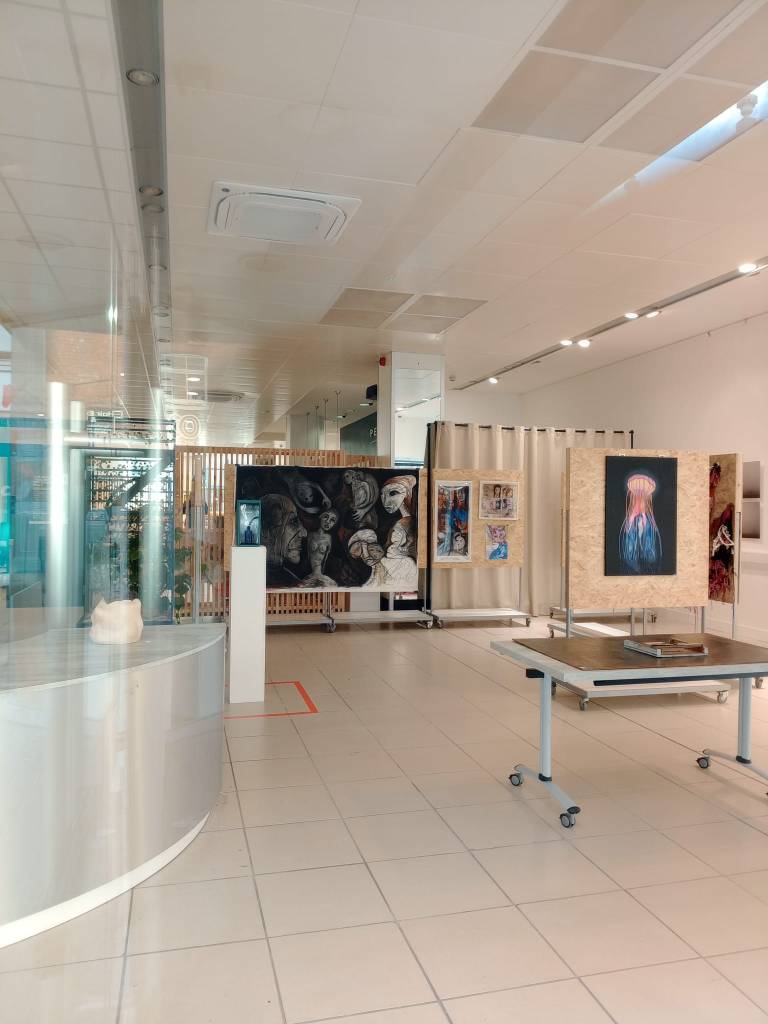
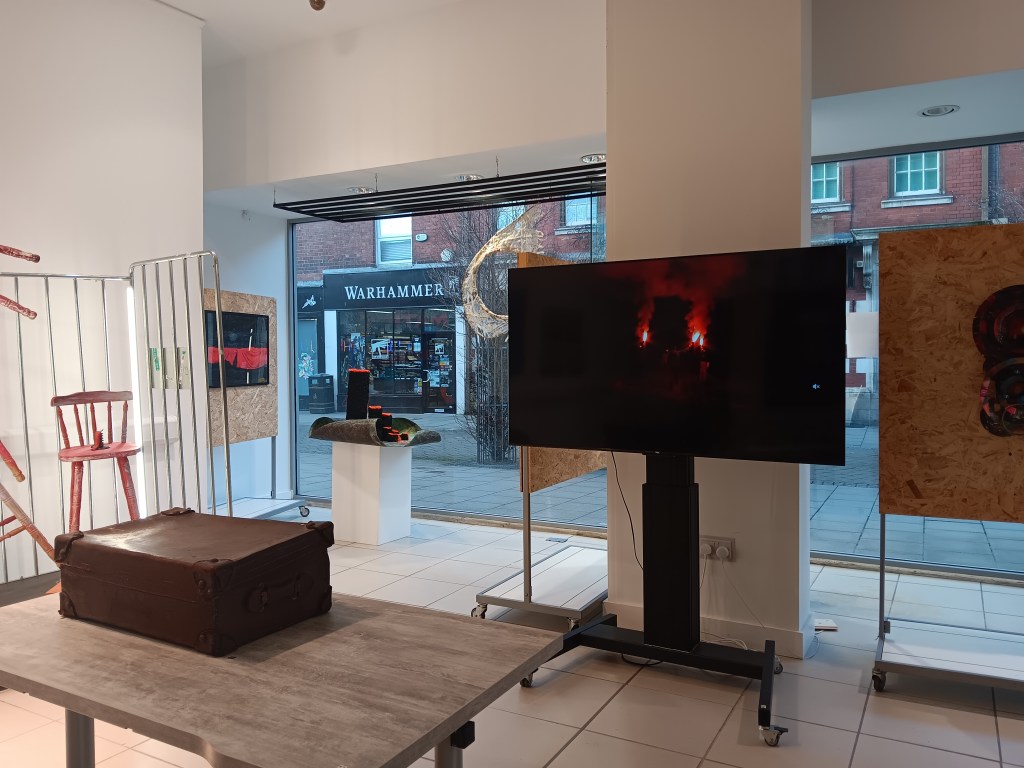
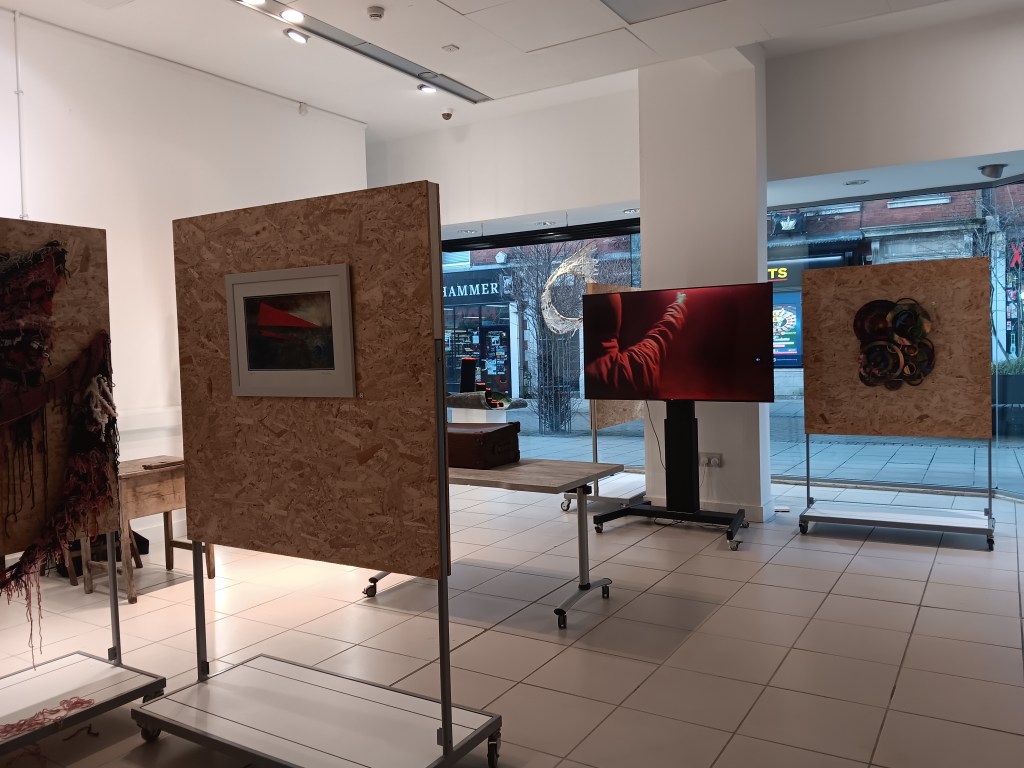
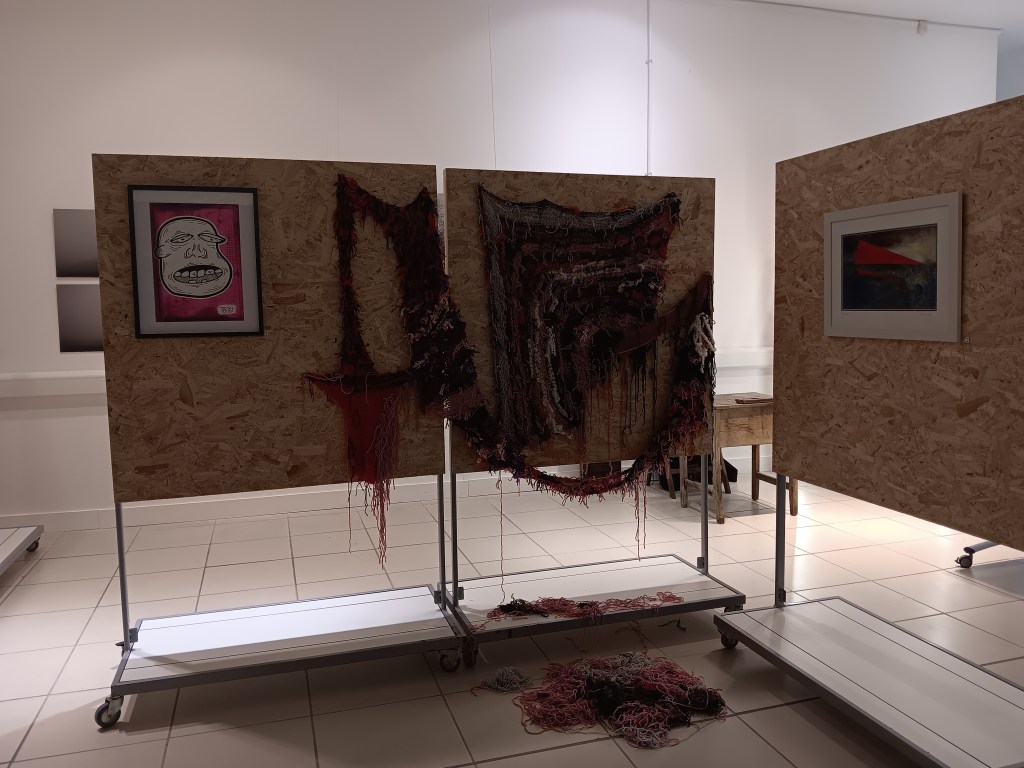
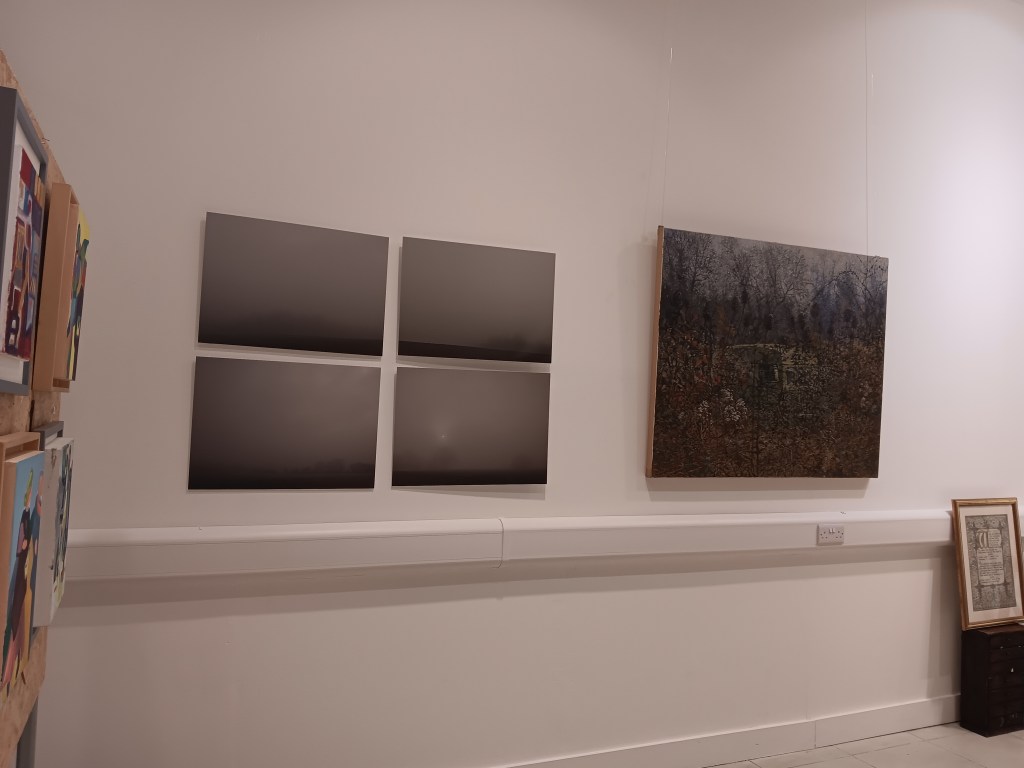
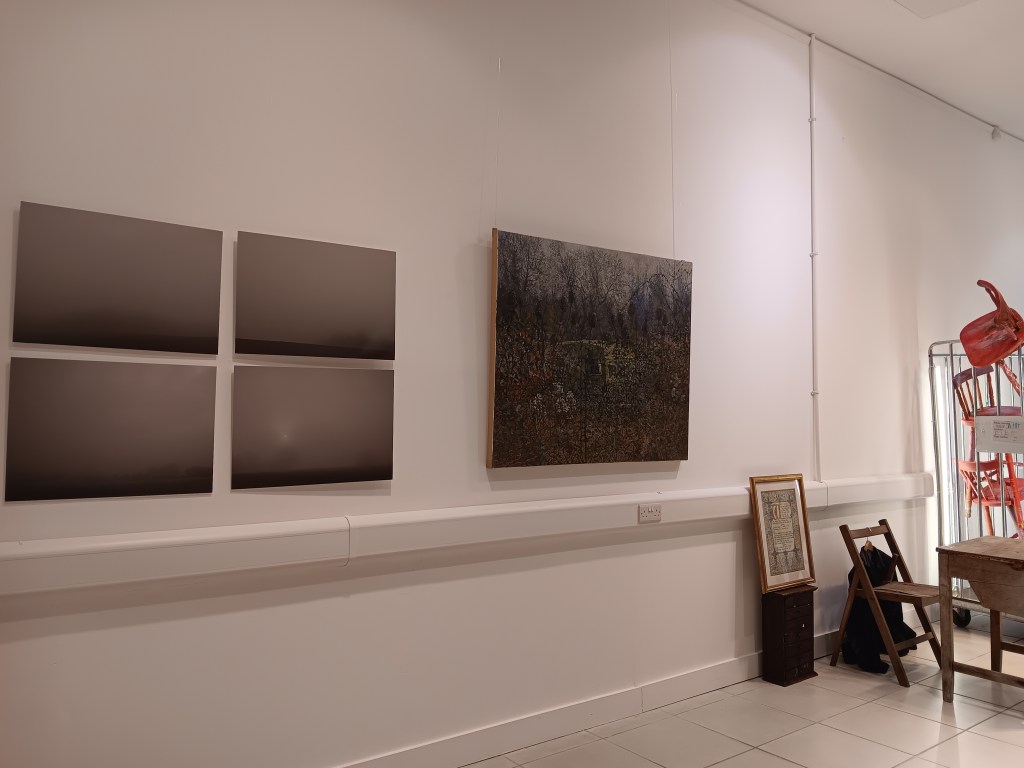
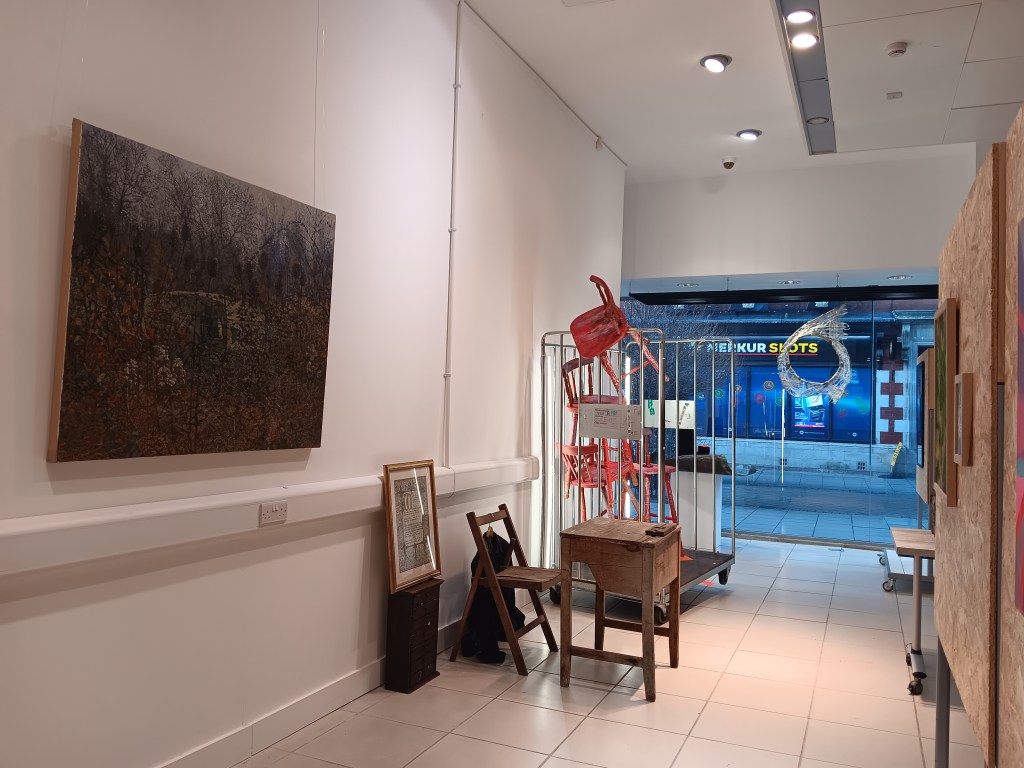
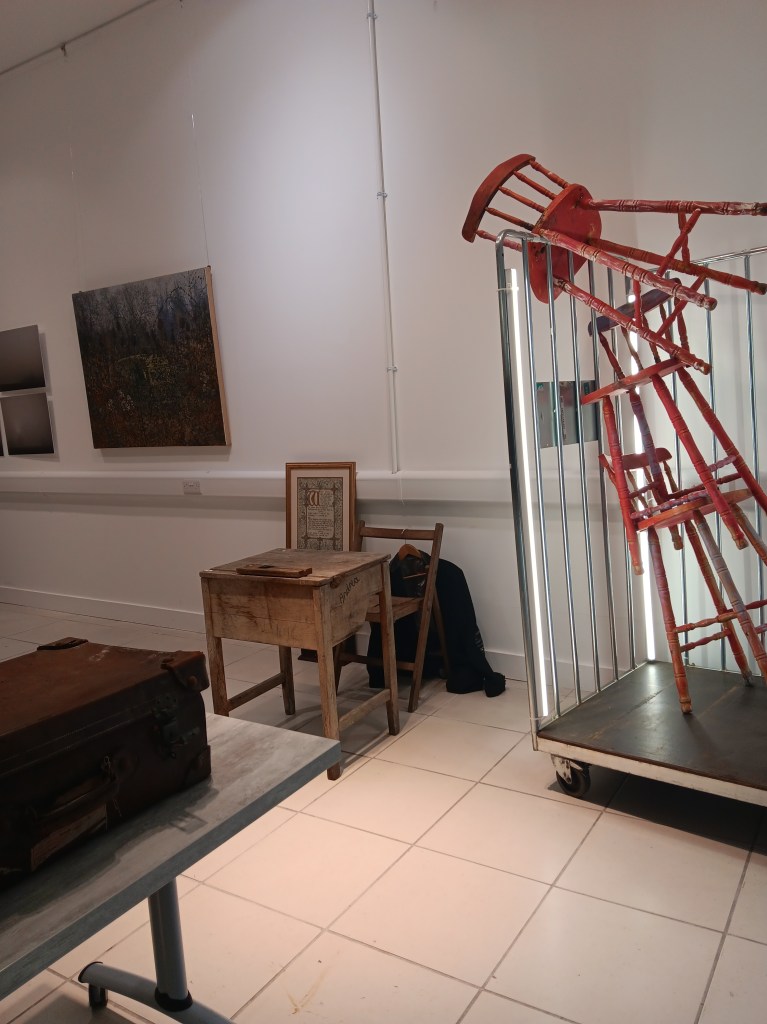
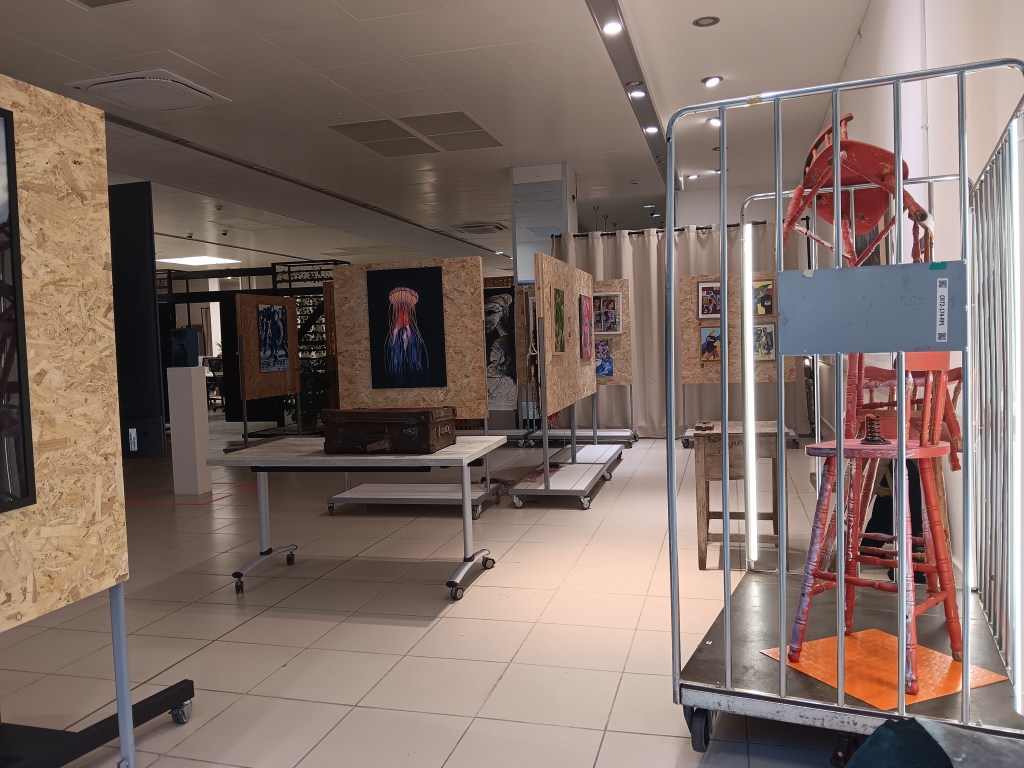
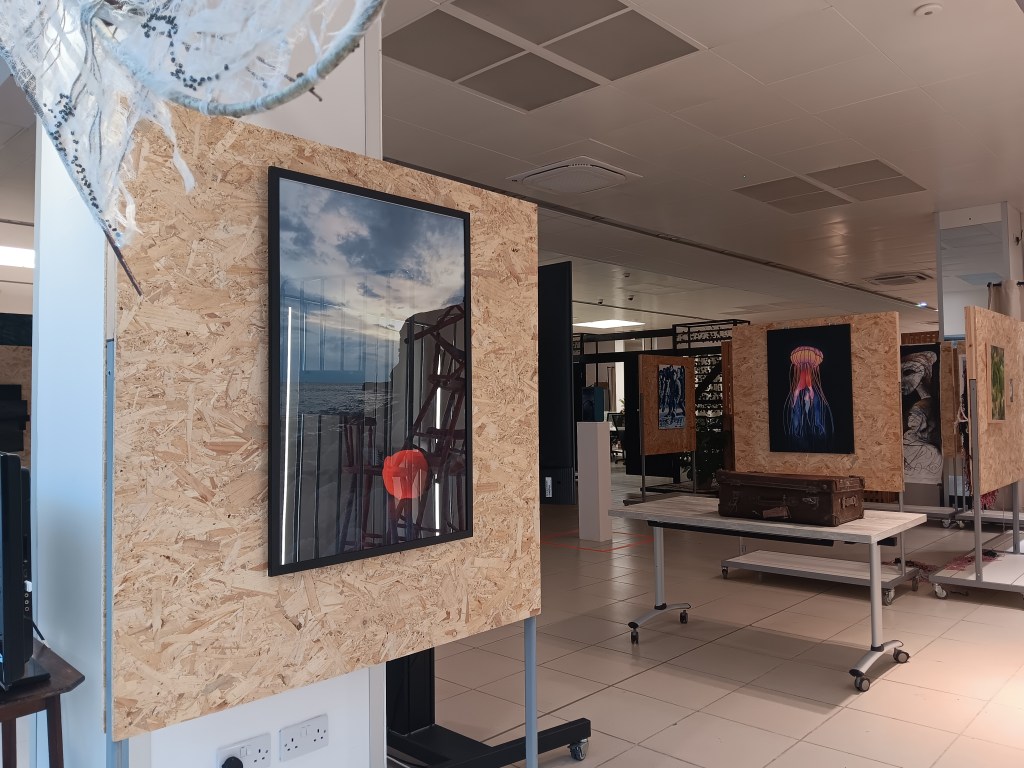
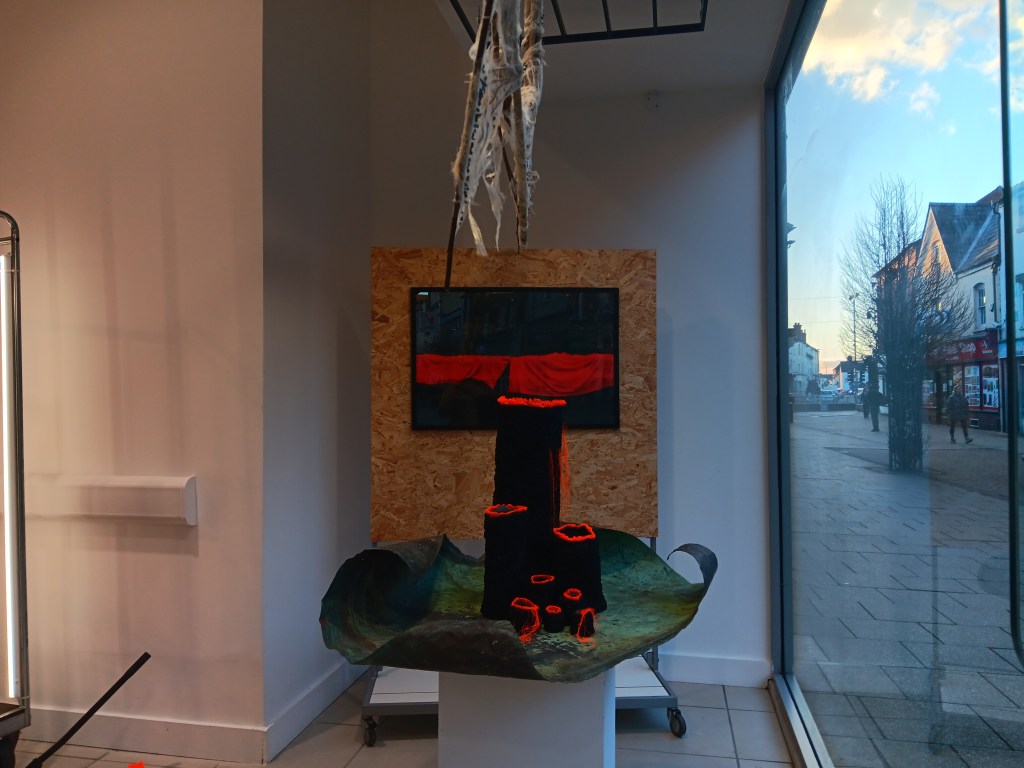
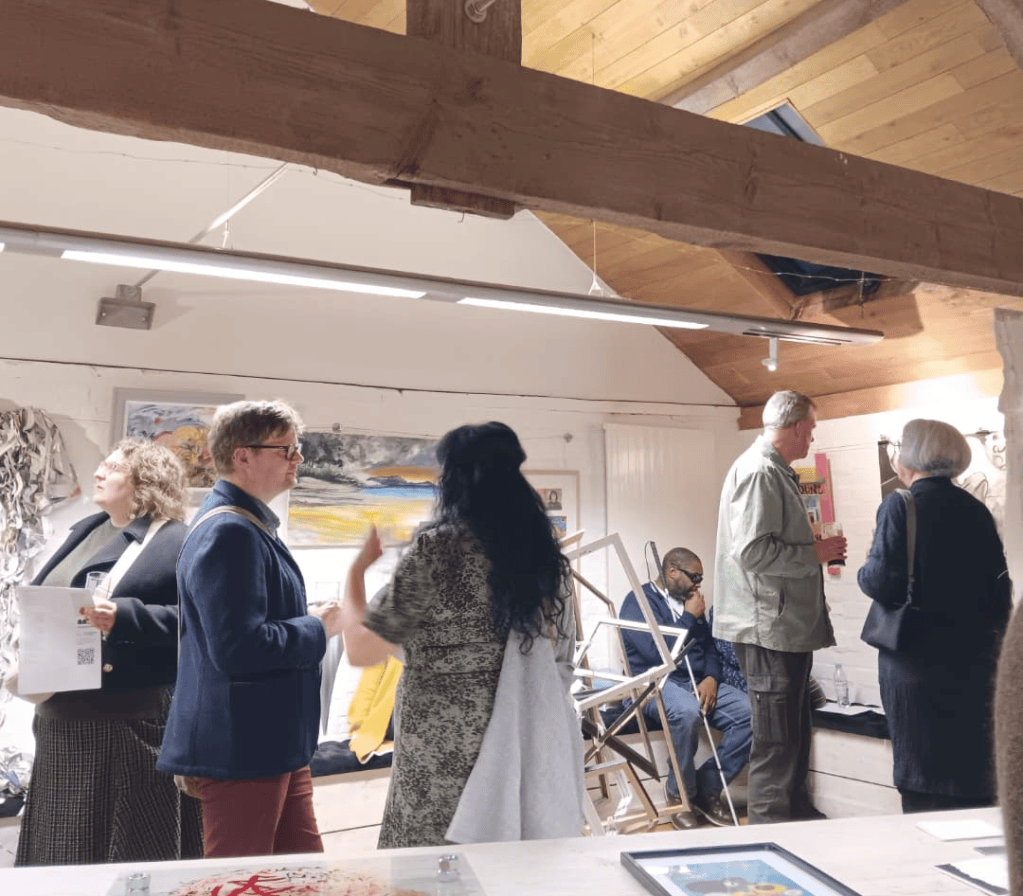
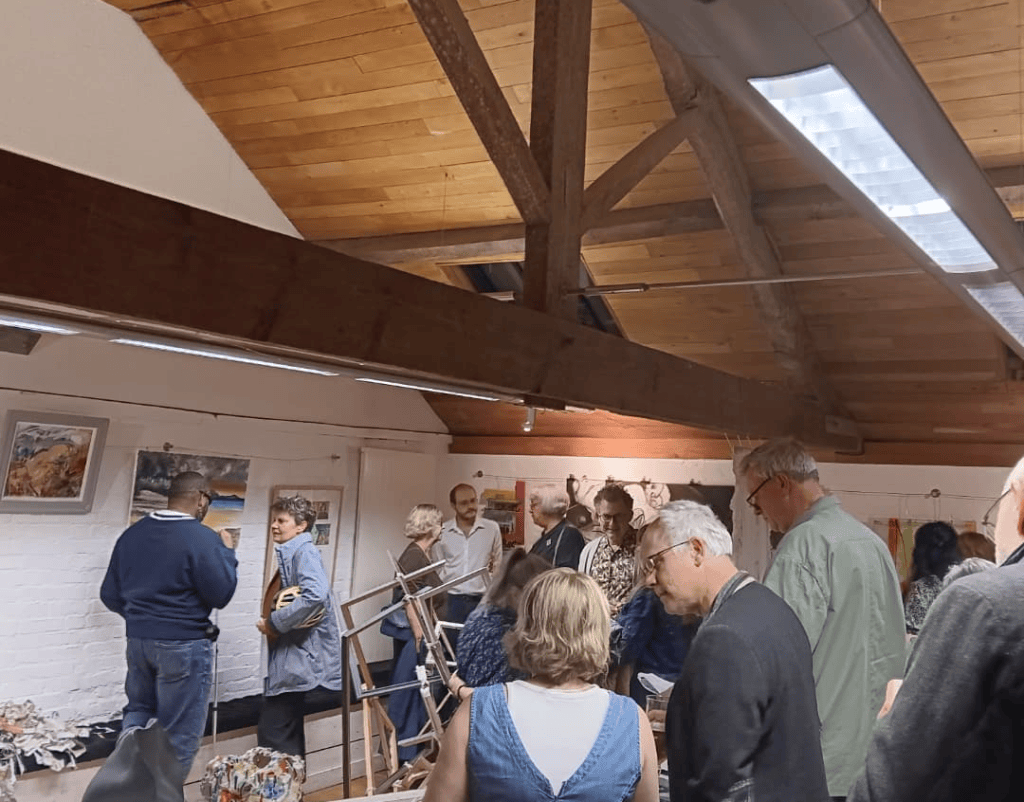
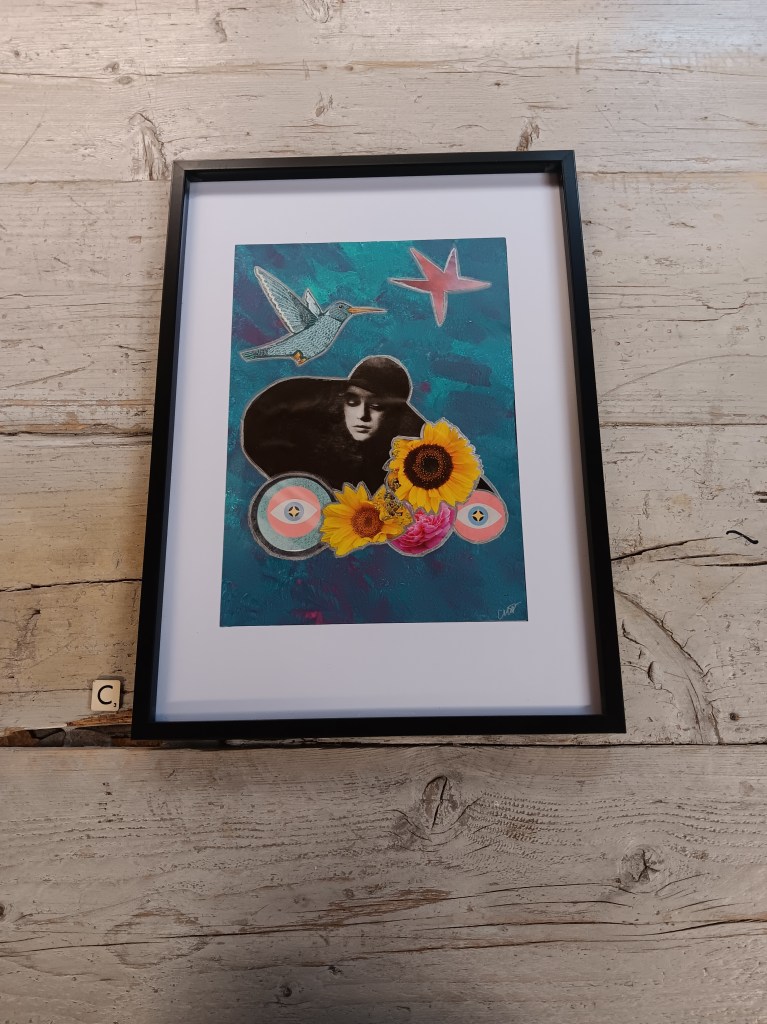
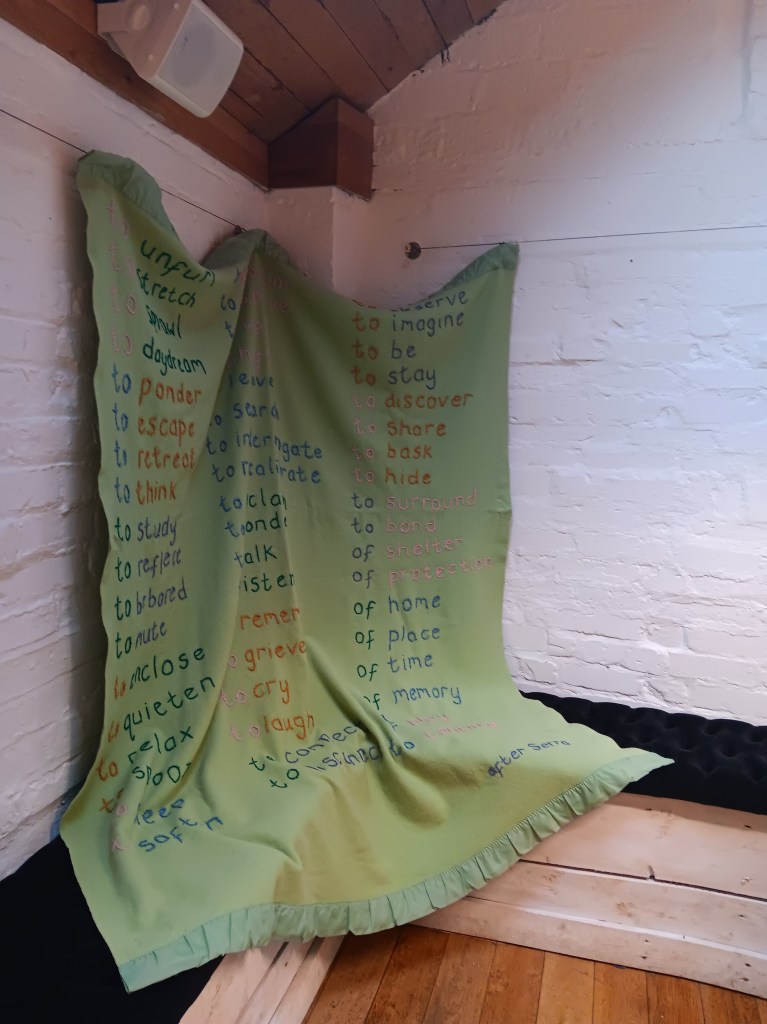
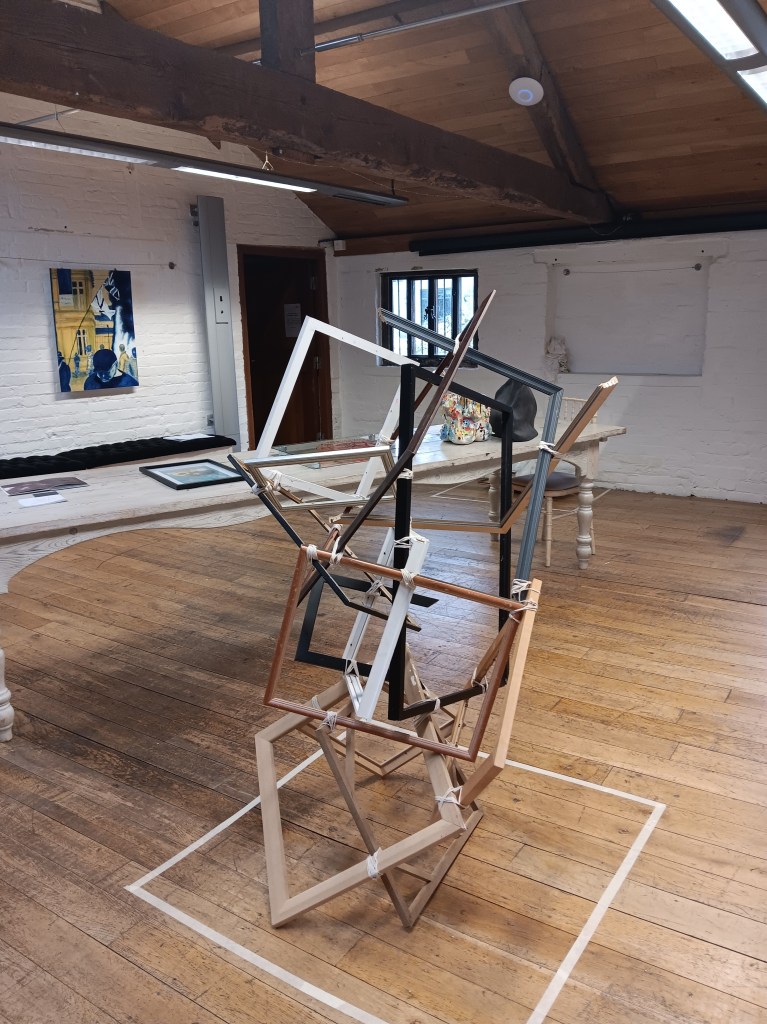
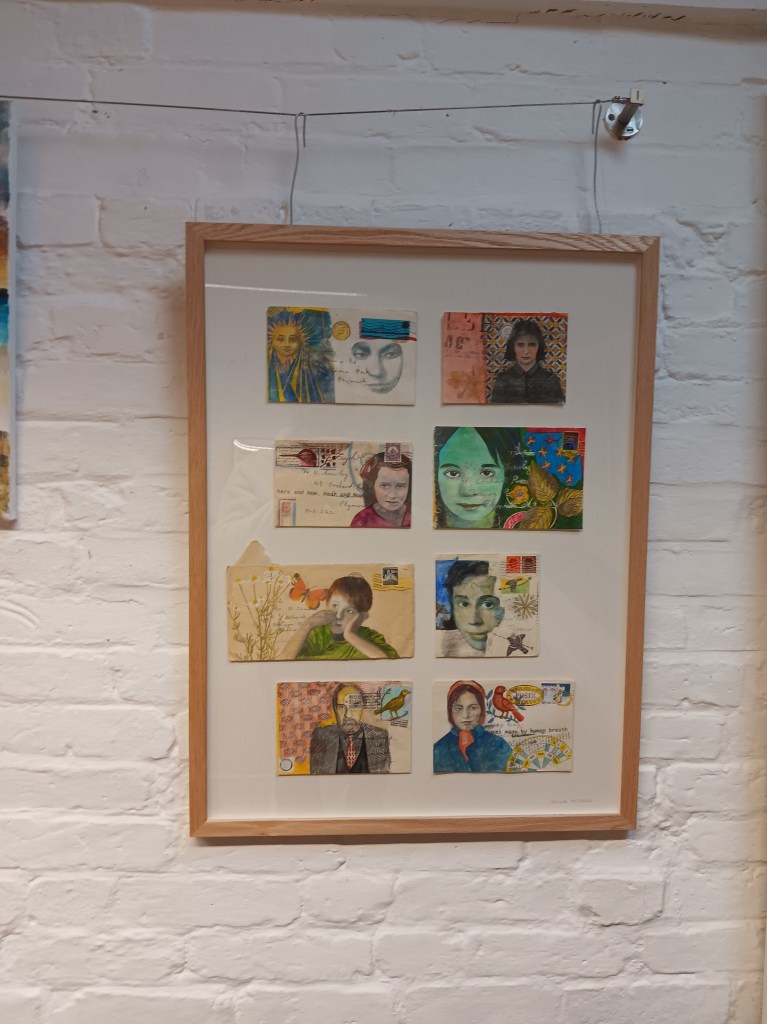
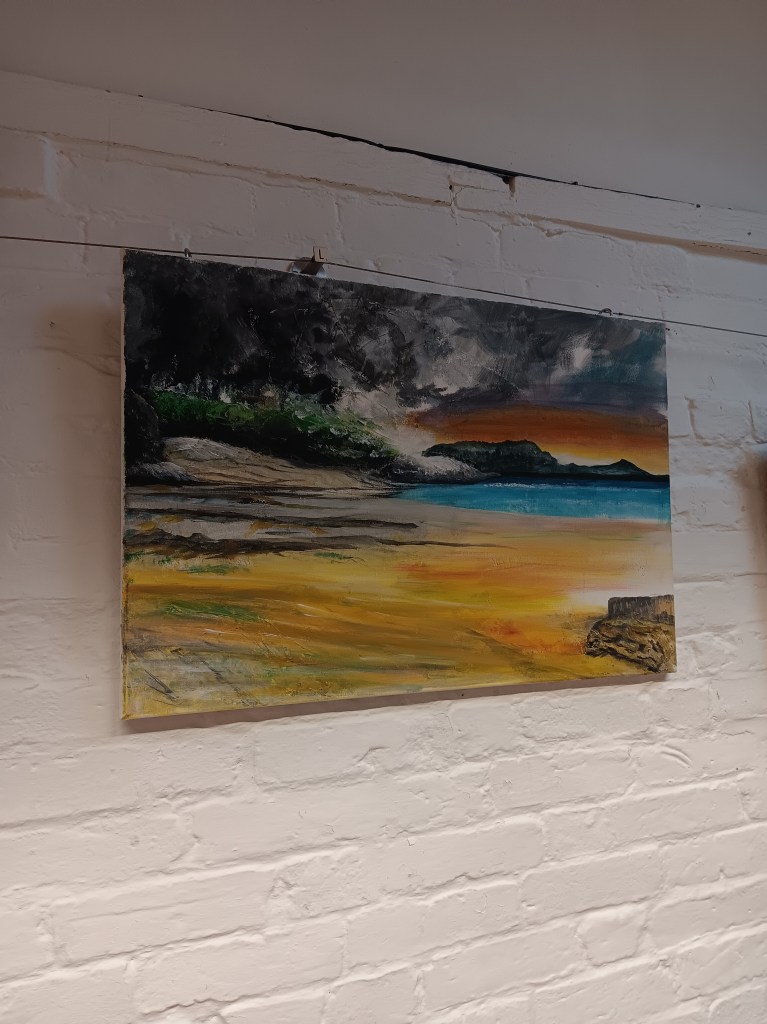
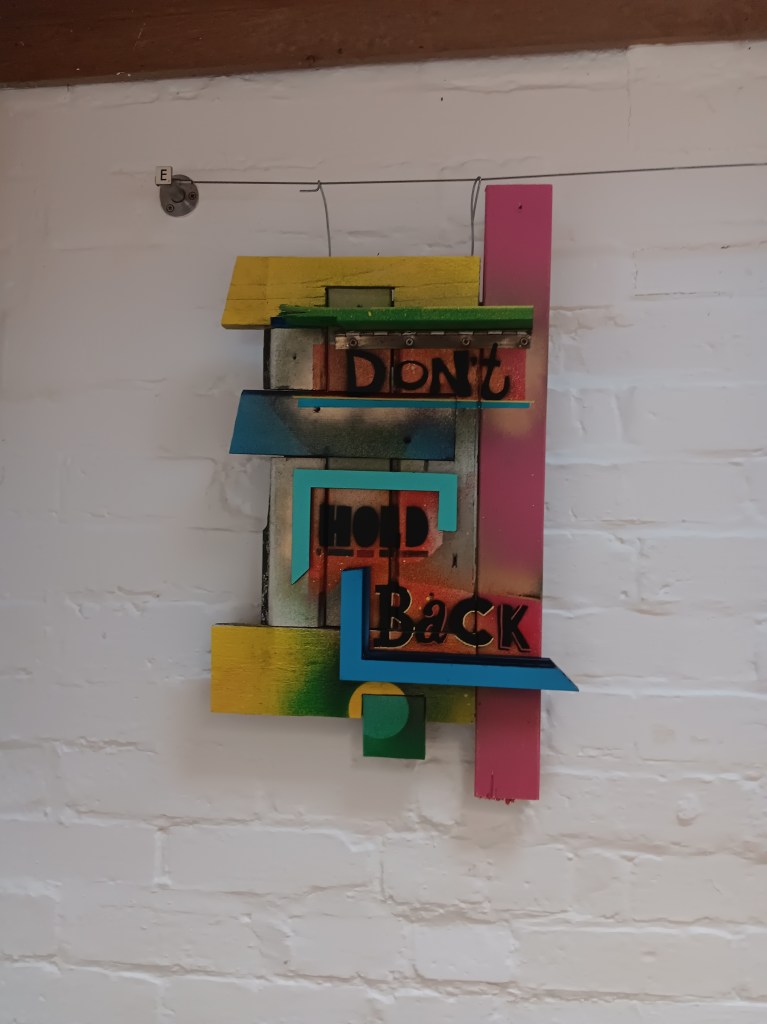
UNFRAMED – De Koffie Pot, Hereford, October 2024
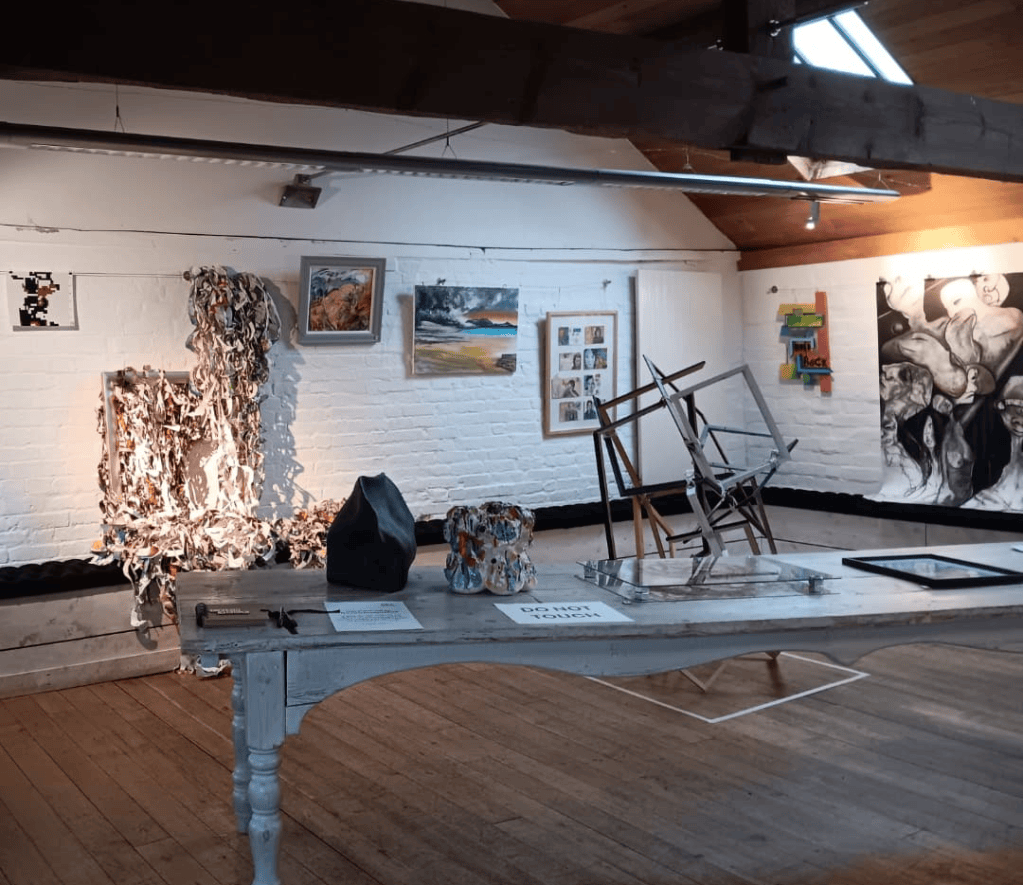
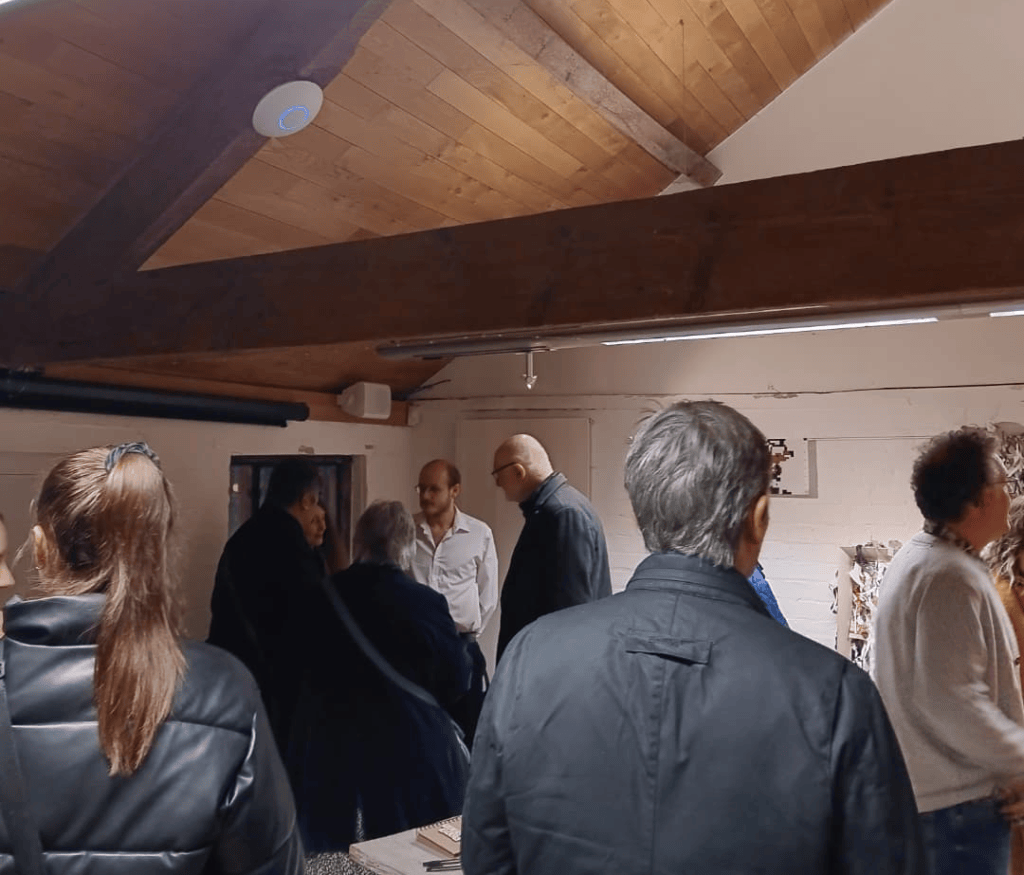
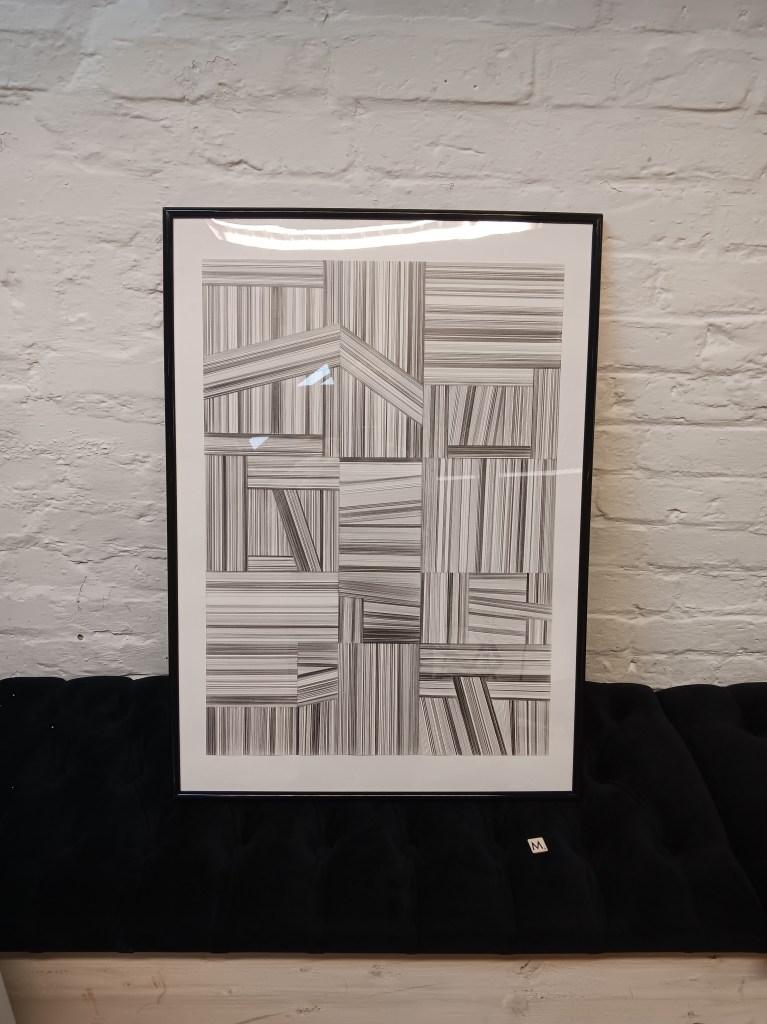
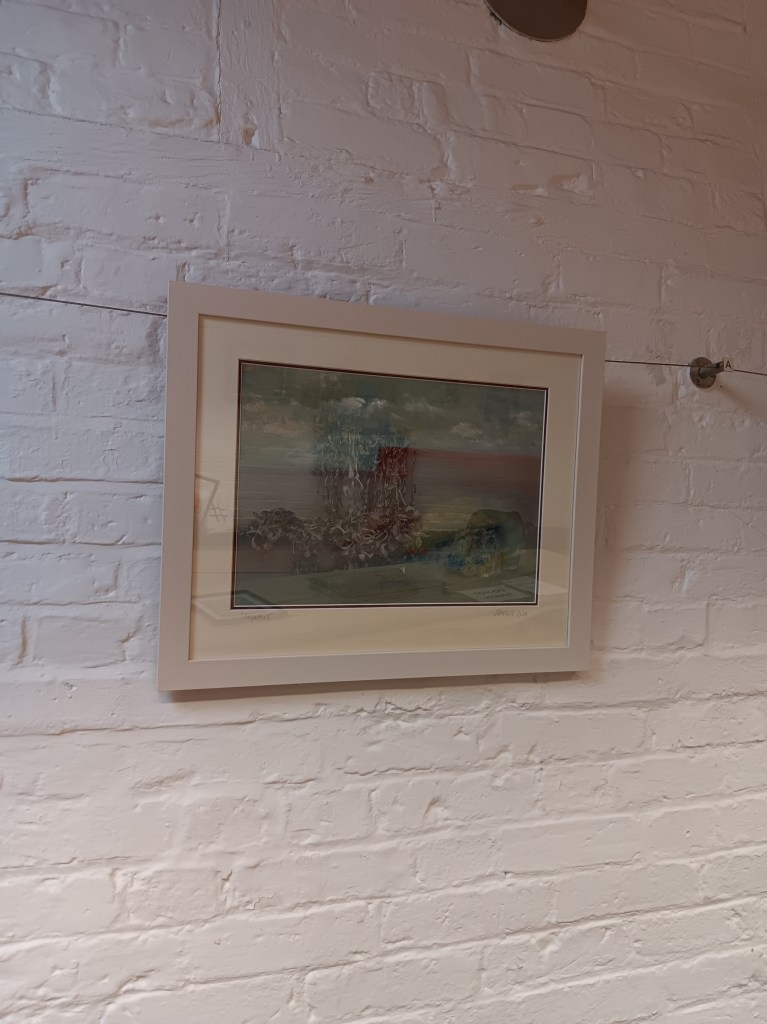
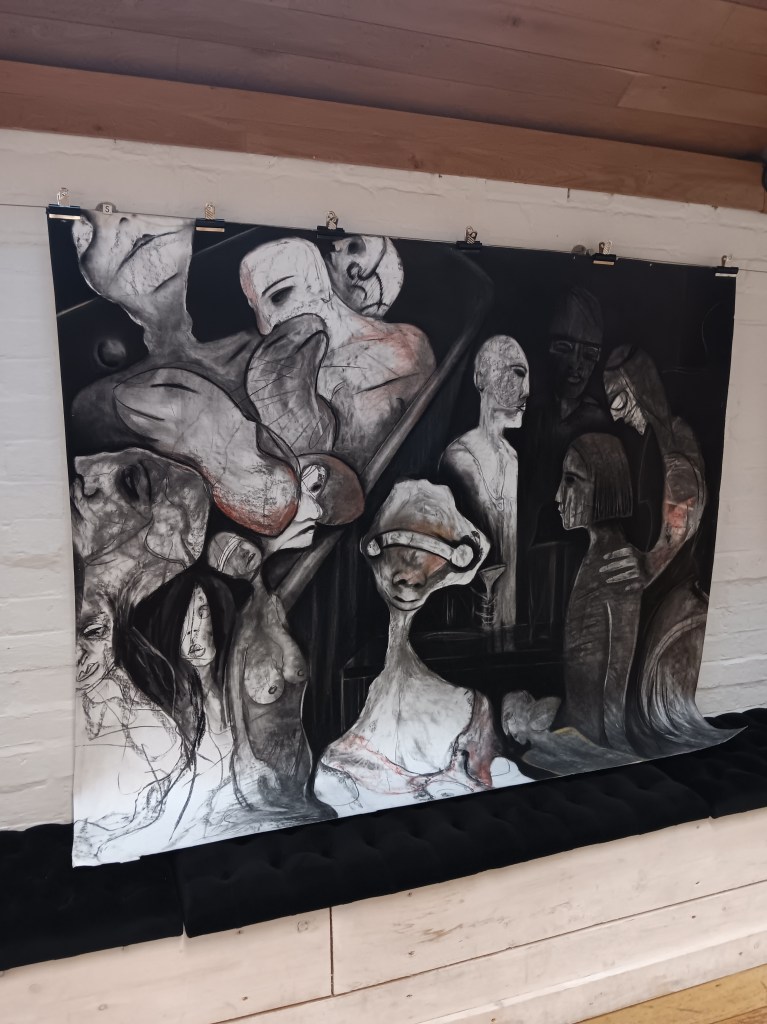
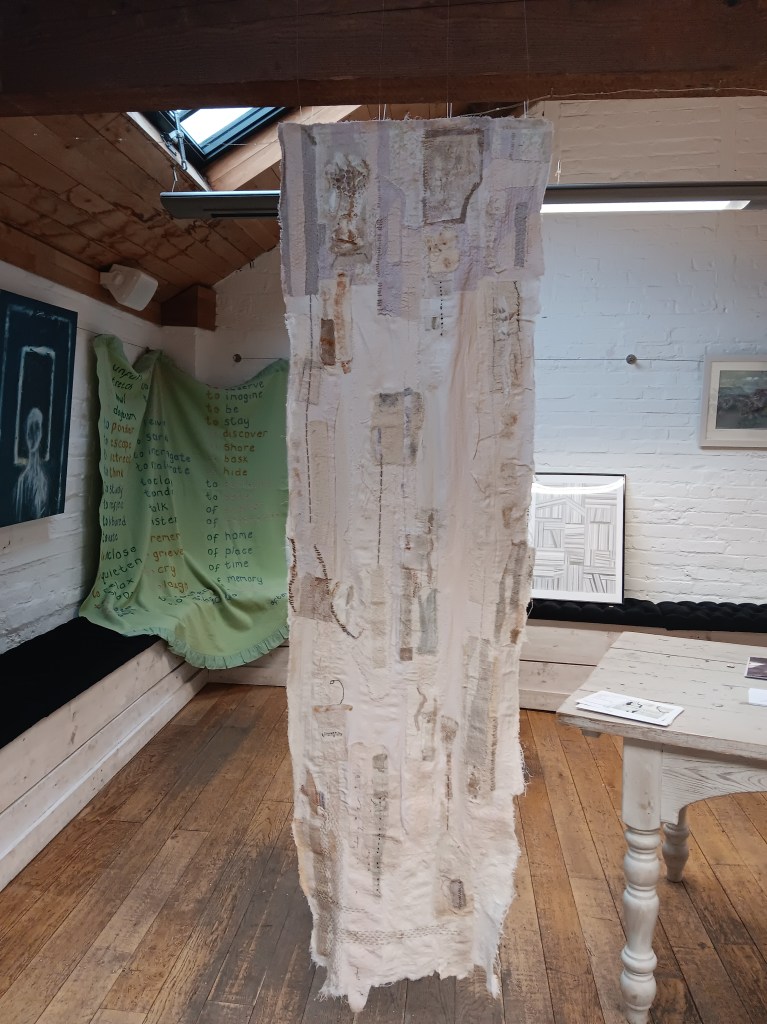
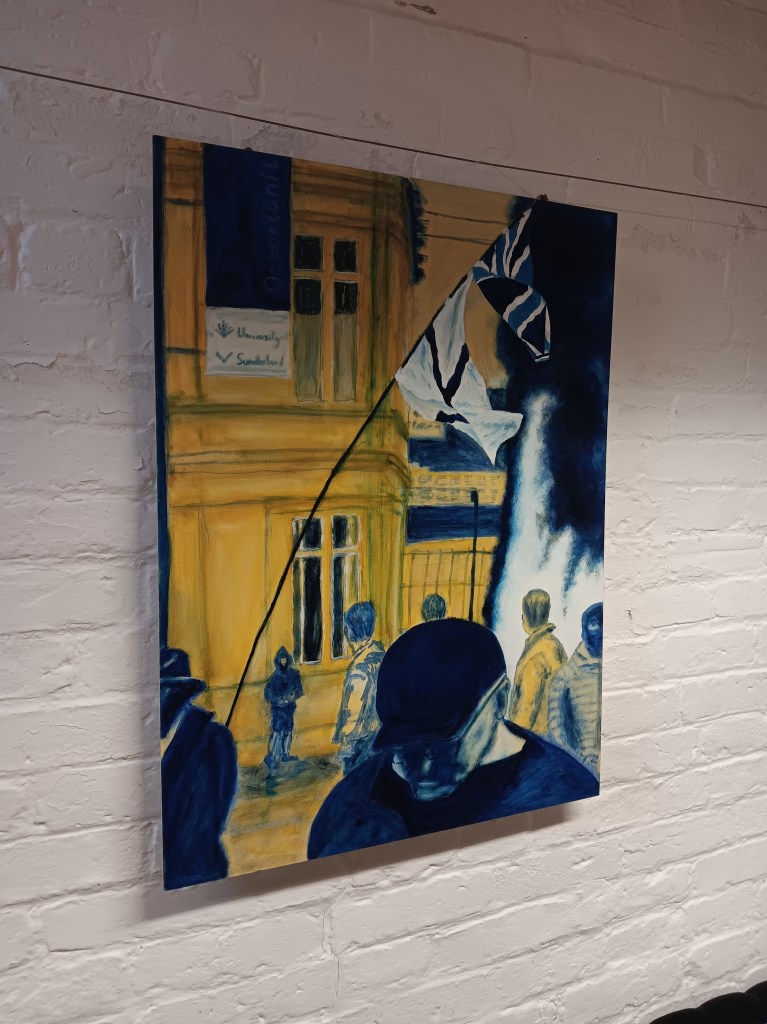
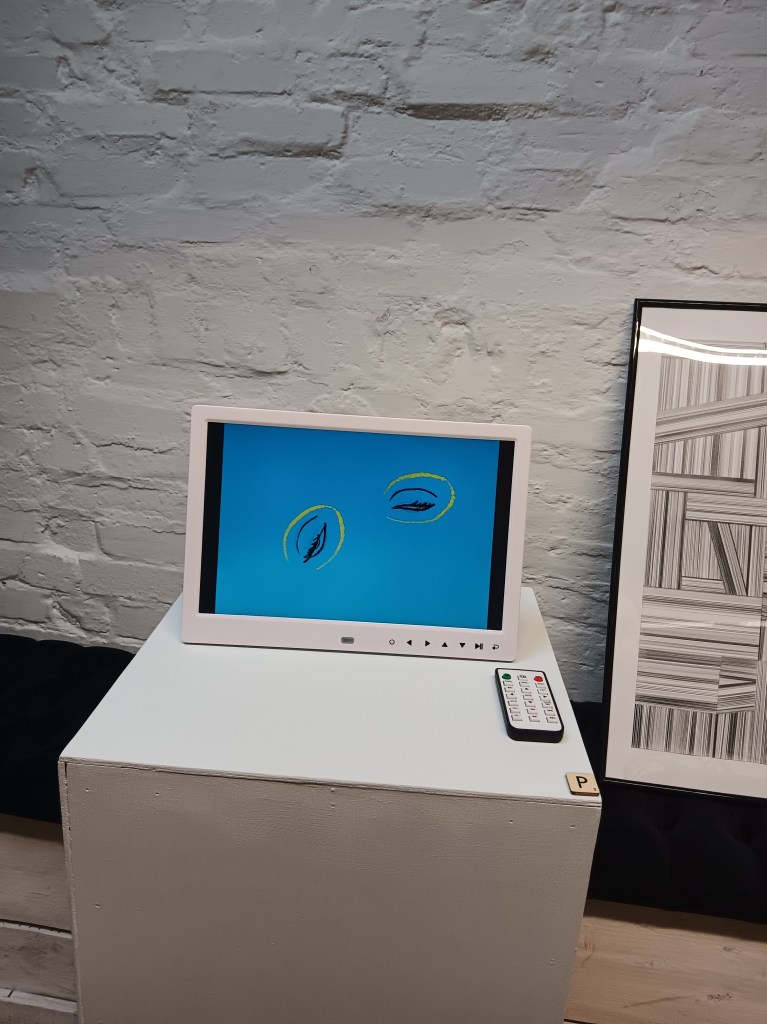
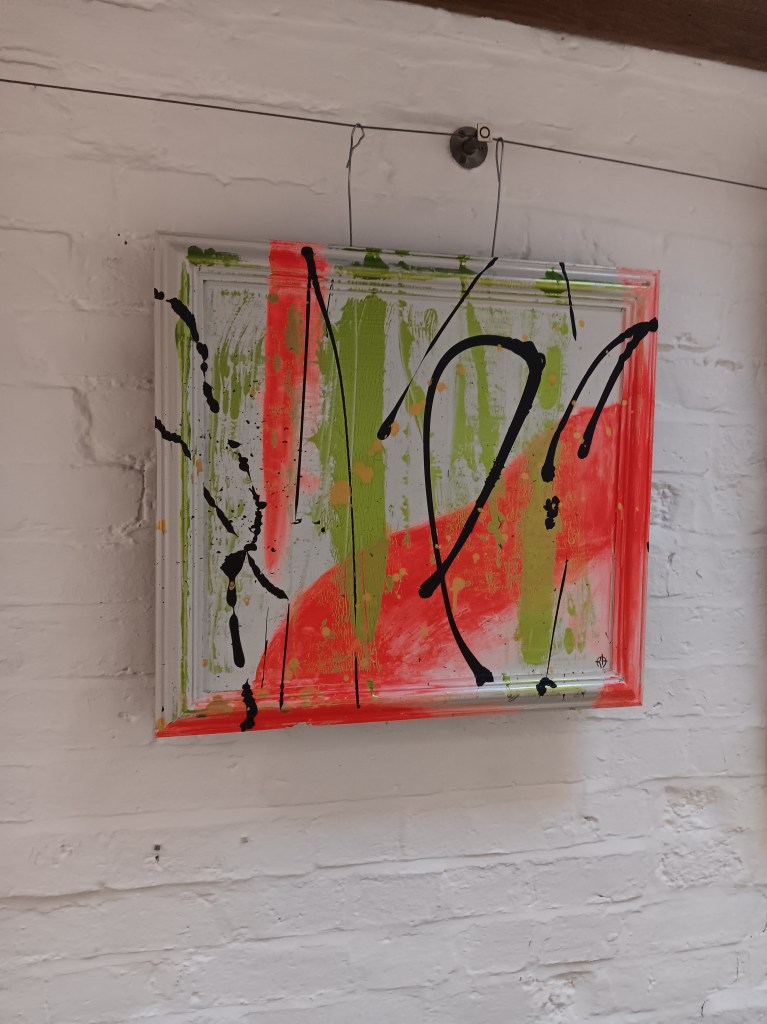
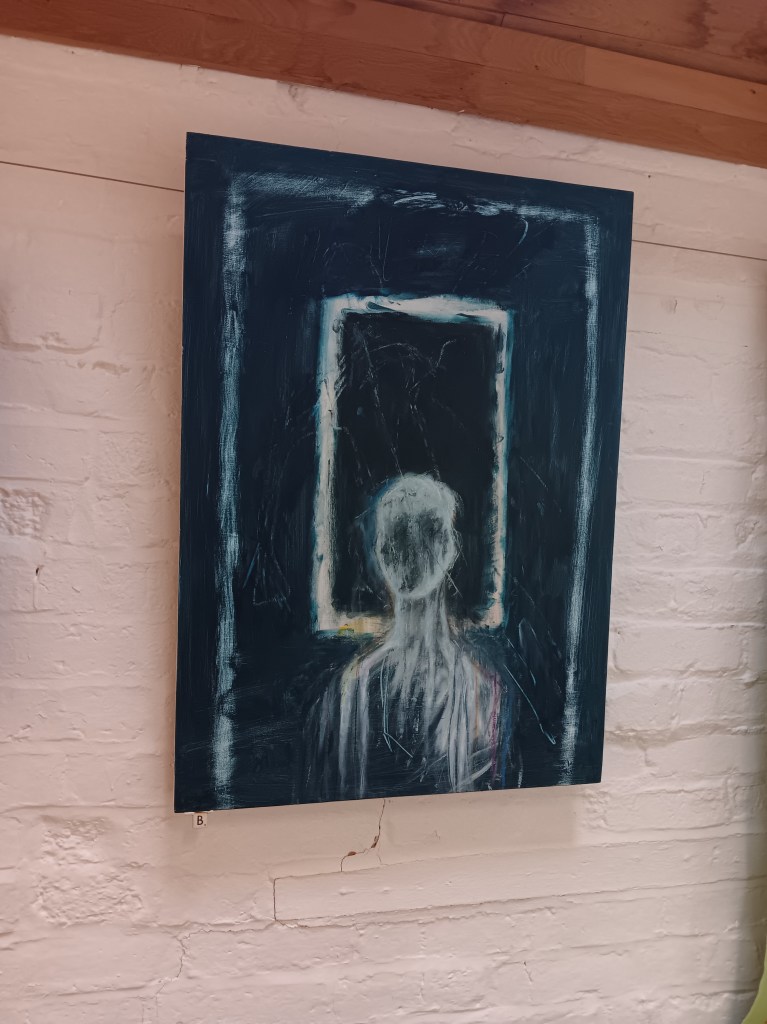
UNFRAMED was a group exhibition featuring 30 artists from the Herefordshire Visual Artist Network, alongside an invited artist from China — a connection formed during my MA Fine Art at BHA. The show explored what happens when art steps beyond traditional limits, presenting work that was literally and conceptually “unframed.” Each artist pushed at the edges of convention through experimentation, risk‑taking and boundary‑breaking approaches to material and meaning. Together, the works created an expansive environment that encouraged viewers to rethink how art can exist and evolve, celebrating creative freedom and collective innovation.
UNSEEN – BLOOMSPACE, Hereford, March 2025
UNSEEN was a thematic exhibition that brought together artists whose work engages with issues often overlooked, hidden or unspoken. Through diverse media and approaches, the show illuminated the quiet tensions, private experiences and structural challenges that shape everyday life but frequently remain out of sight. Each artwork acted as a point of revelation, inviting viewers to confront what is usually concealed — whether personal, social or environmental. By foregrounding these unseen narratives, the exhibition created space for reflection, empathy and dialogue, encouraging audiences to look beyond the visible and consider what is rarely acknowledged.